2026 Benicia & Vallejo Tour: Featured Gardens
Avant Garden
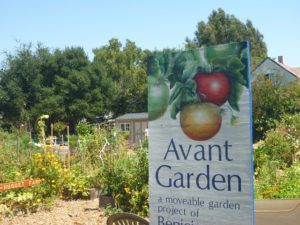 The spring garden tour will begin at 9 am at Avant Community Garden in Benicia with a talk on healthy soil from “CompostGal” Lori Caldwell. Itinerary pick up will be from 9-11 am.
** Refreshments and free seeds will be available
Apricot Alcove
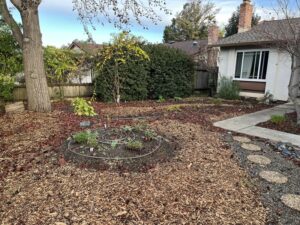
This front yard food forest primarily focuses on native plants and pollinators. It was established as part of Sustainable Solano’s Fall 2025 Permaculture Design Certificate (PDC) course. The front lawn was transitioned to a large bioswale, fed by a laundry-to-landscape greywater system. Drip irrigation runs to an apricot tree encircled by natives, and the hope is for the apricot tree to provide shade and privacy once fully grown.
Giardino su una Colina (Garden on a Hill)
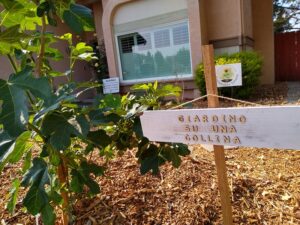
A 6-year-old food forest and pollinator garden installed in 2020 that includes a swale that captures roof water and mediterranean trees and plants mixed with native pollinating and nectar plants to attract bees and butterflies. This site is home to a Monarch Waystation that grows a variety of plants to support Western Monarch Butterflies.
The Monarch Milkweed Project and monarch education will be highlighted. Come to learn how you can support and participate in the Bay Area Butterfly Festival coming to Mare Island on June 14!
Bay Vista Homeowners Association

In June 2024, Bay Vista HOA in Benicia transformed its common area lawn into a waterwise, sustainable landscape to reduce water and beautify the space.
Michael Wedgley from Soilogical was the designer for this project. A lot of consideration went into plant selection. It was important to provide plenty of native species for habitat and food for native insects and birds, while also considering aesthetics as a critical aspect in HOA common spaces.
The plants selected and water catchment from the roof downspouts to the in-ground basins makes the landscape more resilient and builds healthy soil.
Wild Cherry Way
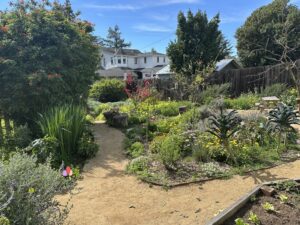
Southern slope food forest focused on pollinators, shrubs, fruit trees and vines, and native plants. This garden also includes perennial and edible plants, swales, raised beds, and a laundry-to-landscape greywater system.
***Sustainable Solano Board Member and Permaculture Consultant Ron Kane will be on-site to offer tours and answer questions.
Yggdrasil Garden
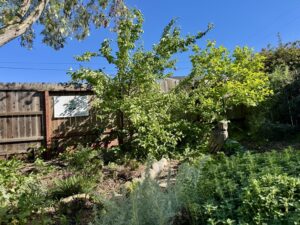 An evolving food forest garden and greywater system installed as part of Sustainable Solano’s 2022-23 Permaculture Design Certificate course. Students transformed the front yard with a rain-capturing swale and planted berms with native and pollinator-supporting plants. The west side yard’s passionfruit vines and fruit tree guilds are watered by a laundry-to-landscape greywater system. The monarch butterfly-hosting back gardens were designed by Soilogical, nurtured with specially prepared compost, and supported by a Water Service Irrigation design created as part of a Sustainable Solano irrigation class. The site’s current steward, Heath Griffith of Grow with the Flow, cultivates edible landscapes with flowers and medicinal herbs, with an eye towards community engagement and ecological justice. An herb spiral was created with bricks repurposed from the chimney of the circa 1850s historic home, retaining walls were built from pieces of historic on-site stables, and patios were made from slate and brick on-site. The east side yard (in development) is watered with both a rain-capturing swale and a laundry-to-landscape system. Displays feature the historic aspects of the home; its background and ongoing tradition of art, design, and healing; information about the Ohlone Sogorea Te Indigenous Land Trust and rematriation of Carquin land; and various permaculture systems and landscape elements.
***Heath Griffith will be on-site to talk about permaculture, water harvesting, sustainable water use, and more! They participated in the 2022-2023 PDC and supported the 2025 PDC. Pick up a DIY garden design template with a plant list. The garden will also feature live music!
California Native Plant Society (CNPS) Gardens
Bird Haven Retreat – CNPS
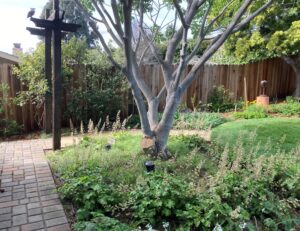 Visit this native plant garden and see what 30+ years of gardening dedication to native plants can create. Welcoming shade plants and green grasses abound under thriving and tall buckeye and big leaf maple trees that gain water from harvested roof rain flowing to a dry creek bed. A mature manzanita row lines the side yard walkway. Feel the intimate wildlife habitat backyard space as you find small birds flying between the branches of tall native shrubs such as the fragrant mock orange, red-blooming spice bush and the heart-shaped leaves of the western redbud. Sun-loving native perennials border a native grass lawn, and alum root hugs the shade of the understory. The owners are grateful for the relaxed and comfortable habitat that native plants provide for them.
Habitat & Harvest Garden – CNPS
(Formerly Barley’s Backyard Food Forest — one of Sustainable Solano’s first installations in Benicia — the garden is now with a new family that is adding native habitat)
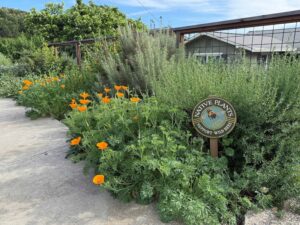 The view of this welcoming tiered front garden begins right at street level with sidewalk appeal of a chaparral-inspired garden including evergreen manzanita, easy-to-grow buckwheat, and native grasses. Step down to the next tier to find a cozy deck space to sit within the garden and share the space with emerging caterpillars, hummingbirds and native pollinators as the seasons unfold. Tiered terraces and integrated drainage allow for meadow and sage, milkweed, and strawberry groundcover plantings to absorb stormwater while supporting plant health. View coffeeberry, monkeyflower, penstemon, and salvia which attract and support additional wildlife in this habitat-rich garden. Mature fruit trees, perennial edibles and vegetable beds combine with the abundance of native plantings for a harmonious full habitat that supports biodiversity and spills into the back yard as well. This garden family truly feels a calm connection with nature when they are in their garden space.
Tended Wild Garden – CNPS
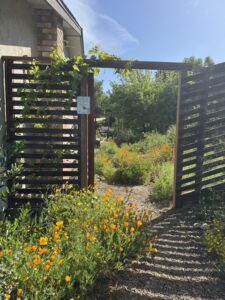 Come and visit this wild-like garden to gaze upon the beautiful annual flowering natives such as the yellow and white tidy tips and the purples of lupine in the front garden patch. Travel through the side yard of orange California poppies, stepping rounds and a dry creek bed that collects rainwater, to the large backyard garden that flourishes with a thriving tapestry of wildlife-supporting native plants. Verdant grasses and spring ephemerals surround a bird bath that California Towhees are happy to visit. Tall shrubs such as rosa californica or the keystone tree coast live oak have become safe places for nests of breeding small birds. Flowering colorful annuals are servicing the many pollinators such as hover flies and bumblebees that visit the flowers for pollen. This habitat refuge is where the family connects with the wonders of nature. The owner collects seeds of many native plant species to continue the annual flowering habitat year after year.
Enchanted Cottage Garden
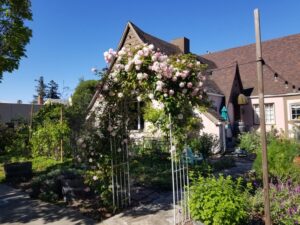
This front yard lawn was replaced in May 2017 with two swales, above-ground rainwater collection and a variety of fruit trees, grapes, herbs, and year-round pollinator plants mixed with annual vegetables. There is a path through it with seating for anyone who walks by. The food forest concept extends to the back garden. This yard has inspired several neighbors to transform their landscapes. Produce from the garden is used in the food forest keeper’s small home-based restaurant and they donate excess produce.
Loam Sweet Loam
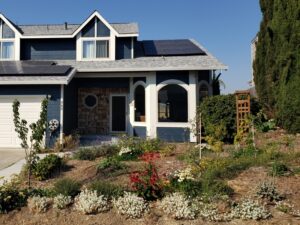
This 700-square-foot front yard food forest was sheet mulched over 3 years ago and it includes a swale. It includes multiple layers of permaculture plants: young fruit trees, drought-tolerant shrubs such as rosemary and lavender, and soil-amending groundcovers.
The homeowners extended permaculture principles into their 900-square-foot backyard vegetable garden, and hosted workshops with Sustainable Solano and Greywater Action for the addition of a laundry-to-landscape greywater system to irrigate young fruit trees. Future plans may include diverting rainwater from downspouts into existing rain barrels to irrigate the yard, expanding the area irrigated by greywater to incorporate more trees, and increasing plant diversity throughout the yard to support a strong and edible ecosystem.
Loma Vista Farm
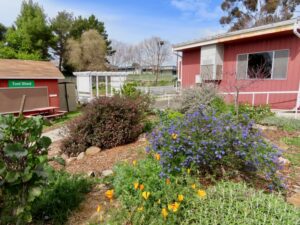 Loma Vista Farm is a program of the Vallejo City Unified School District in partnership with the Friends of Loma Vista Farm, a community-based nonprofit organization.
The Farm has been a treasured part of the community since it began in 1974. Families and individuals are welcome to visit on a drop-in basis during open hours and enjoy seeing the many animals and gardens. The farm is also a field trip site for schools and groups on a reservation basis from all over the Bay Area.
The Food Forest Garden provides a beautiful demonstration to the public on how they can plant their own yard in a variety of fruit trees, perennial vegetables, herbs, native plants and pollinator rich plants.
***This year’s tour is on the same day as Loma Vista Farm’s annual Spring Open House, making it an extra special day to visit. Plants will be available in the greenhouse for sale. For more information check out Lomavistafarm.org.
Terraza Dominicana (St. Patrick-St. Vincent Catholic High School)
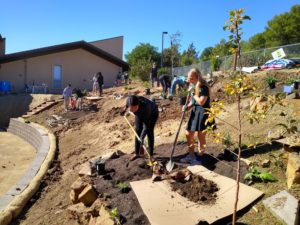
SPSV Food Forest comprises six planting guilds, each with a central tree and underplanting on a steep hillside. It is used as a living laboratory for students to explore soil health, water conservation and pollination. The food forest highlights design features to address erosion control as well as techniques using repurposed materials for terracing a hillside. The garden space also includes a beautiful meditation labyrinth for reflection and contemplation.
**The school will have different varieties of tomato plants for sale for $5. Please bring exact change or credit card/Apple Pay.
Pollinator Pathway (Vallejo People’s Garden)
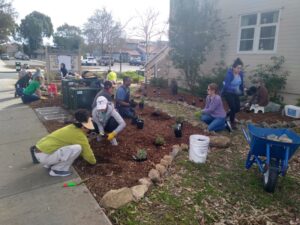
Pollinator food forest garden filled with a variety of California native plants that support the habitat of butterflies, bees, moths, wasps, hummingbirds and so much more. This garden was installed in February 2023 as a collaboration with a variety of organizations including Vallejo People’s Garden, Vallejo Project, Solano Resource Conservation District and Monarch Milkweed Project. Alana Mirror wrote three songs inspired by the installation, featured in her Pollinator Pathway Lawn Transformation Mini Series!
**Join the Vallejo Environmental Leadership Fellowship interns for a fun community day at the Pollinator Pathway Garden! Vallejo People’s Garden will offer tours of Pollinator Pathway at 1 pm and 2:30 pm. Make seed balls with our interns to support local pollinators. Pick up a DIY garden design template with a plant list.
Partner Gardens
Vallejo Unity Garden (Vallejo Project)
A Youth-Led Food Forest & Community Hub
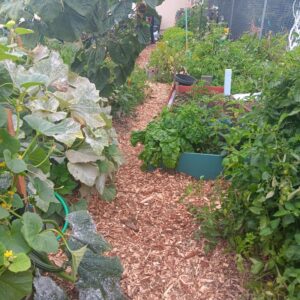
The Vallejo Unity Garden is a youth-led initiative of the Vallejo Project, rooted in a vision of food justice, sustainability, and community healing. For the past five years, young leaders have worked alongside community partners to transform this space into a thriving food forest and sustainable garden designed to nourish both people and place.
Blending natural, ancestral, and modern agricultural practices, the garden integrates local, Indigenous, and international growing techniques to maximize food production in an environmentally responsible way. From soil regeneration and composting to water conservation and permaculture design, the Unity Garden serves as a living classroom where youth and community members learn sustainable food systems that can be replicated at home and across neighborhoods.
This work is especially grounded in service to our immediate community, providing fresh, healthy food and hands-on learning opportunities for our unhoused neighbors and residents surrounding the Vallejo Project site. The garden is not only a source of nourishment, but also a space of dignity, connection, and empowerment.
In addition to the food forest, the site includes a small-scale farm with animals and a community workshop space where participants build DIY projects and develop practical skills. Every Saturday and Sunday 10 am-4 pm, the space comes alive with volunteers, youth leaders, and community members working together to grow food, share knowledge, and build sustainable solutions.
This ongoing effort has been made possible through the dedicated partnership and support of Sustainable Solano, the Global Center for Success, the City of Vallejo, and Justice Outside. Together, we are cultivating not just a garden, but a model for community resilience, youth leadership, and collective care.
Georgia Plaza Garden (4th Second)
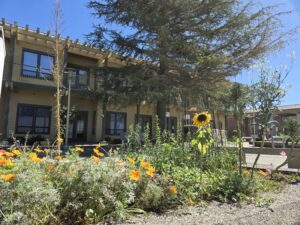
The Georgia Plaza Garden is a community garden space designed and led by Vallejo youth. The space was reclaimed as an initiative to educate middle and high school students about environmental health, stewardship, nutrition, and civic engagement / beautification. Since June 2024 the space has expanded to 10 plots for youth to plant seasonal crops, learn about native plants, soil health, and internalizing a life long positive coping skill as part of nature based therapy curriculum. Learn more about environmental cleanups and planting days to come as we expand the green space in the heart of downtown Vallejo!
**Restrooms and water on-site, and can also serve as a cooling center. Stop by to learn more about the program and plant native plants/summer crops to add to the pollinator pathway.
Inspired Garden (Wildway Garden)
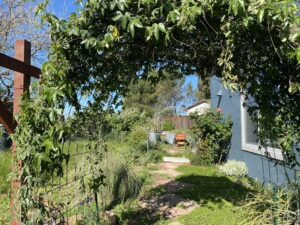
Homeowners Carolyn and Mike attended the 2025 Garden Tour and dug swales for the garden installation at Touro University. They to apply permaculture principles to their yard.
Carolyn is a pruner and horticulturist working towards a degree in Arboriculture at Merritt College. Mike teaches paragliding locally with Penguin Paragliding. They moved into our house in 2022 and were excited to have our first chance to garden in our own space after having worked on various farms in the past.
They could see the potential in the big back yard, which had been neglected for years and was covered in tall fennel but still had a number of mature fruit trees. They immediately planted a peach tree, a nectarine tree, and an asparagus patch and watched with excitement as the mature trees bloomed: apricots, plums, apples, loquats, and two prolific quince bushes. Over the years they have distributed multiple massive truckloads of arborist wood chips from ChipDrop into the garden to build the soil, in addition to planting cover crops and spreading compost. The sunniest part of the yard now hosts the vegetable garden and some perennial edible plants such as tree collards, walking onions, rhubarb, and raspberries. They installed a drip irrigation system and four valves/zones, mostly for the fruit trees and veggies. California native plants fill the front yard and many other spaces in the back yard, where they attract pollinators and provide habitat to lots of critters.
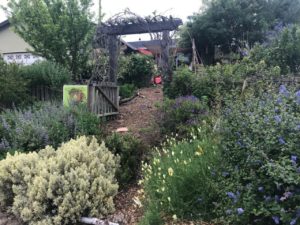
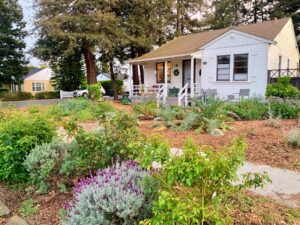 Food forest garden and greywater system installed as part of Sustainable Solano’s 2021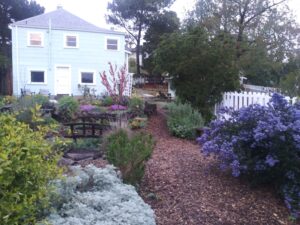
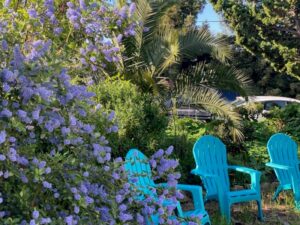 An evolving food forest garden and greywater system installed as part of Sustainable Solano’s 2022-23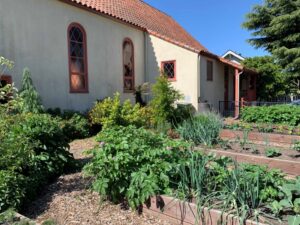
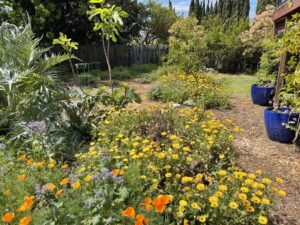 Morningside Botanical Bounty food forest was created as part of the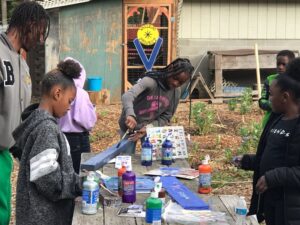

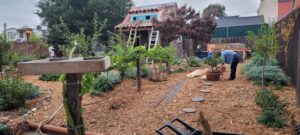
 We are incredibly grateful for the generous support of our funders. Magic Cabinet is supporting this year’s tour through its sponsorship.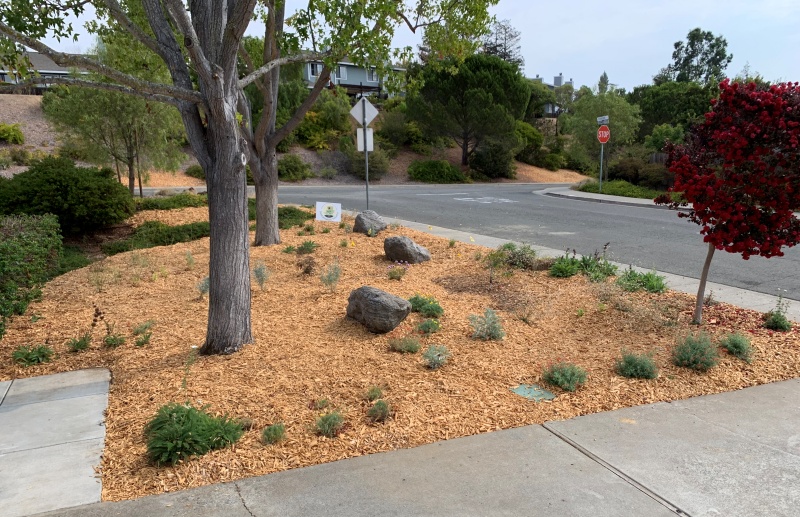

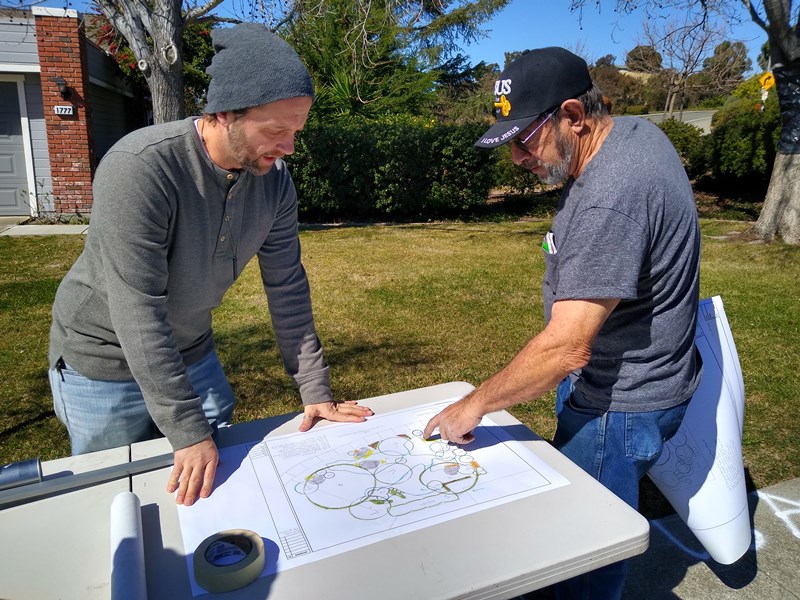
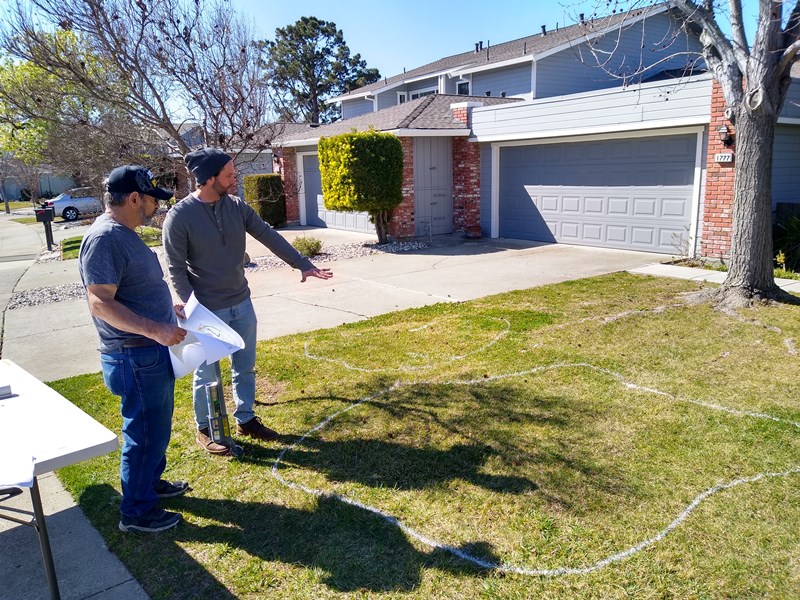
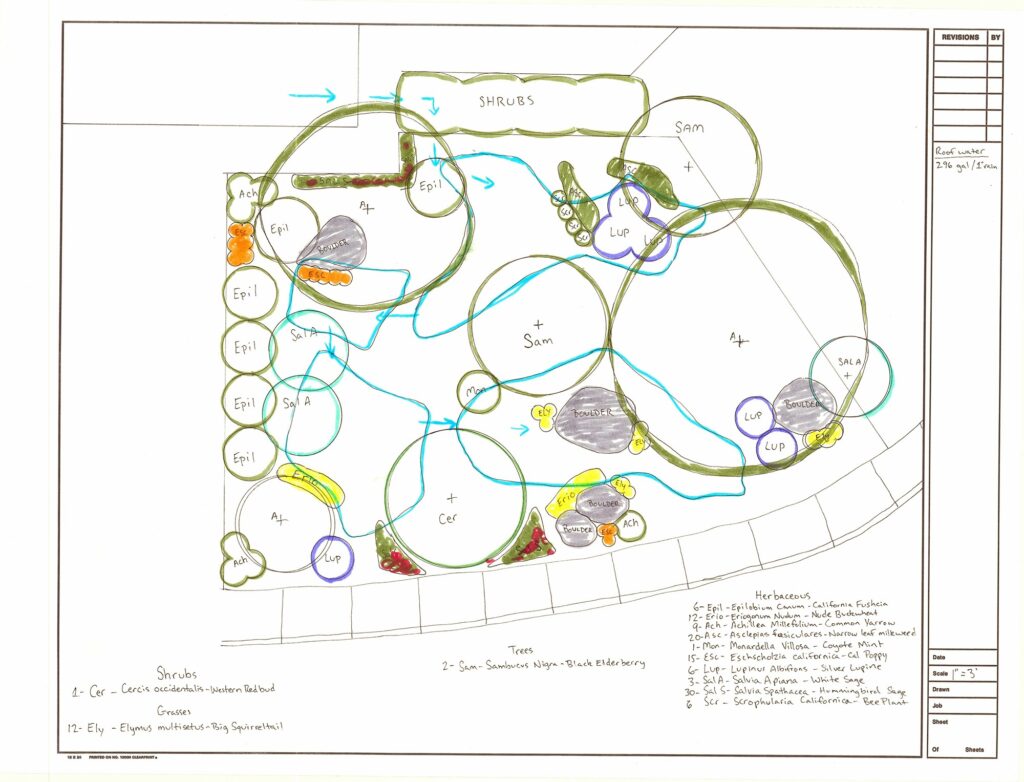
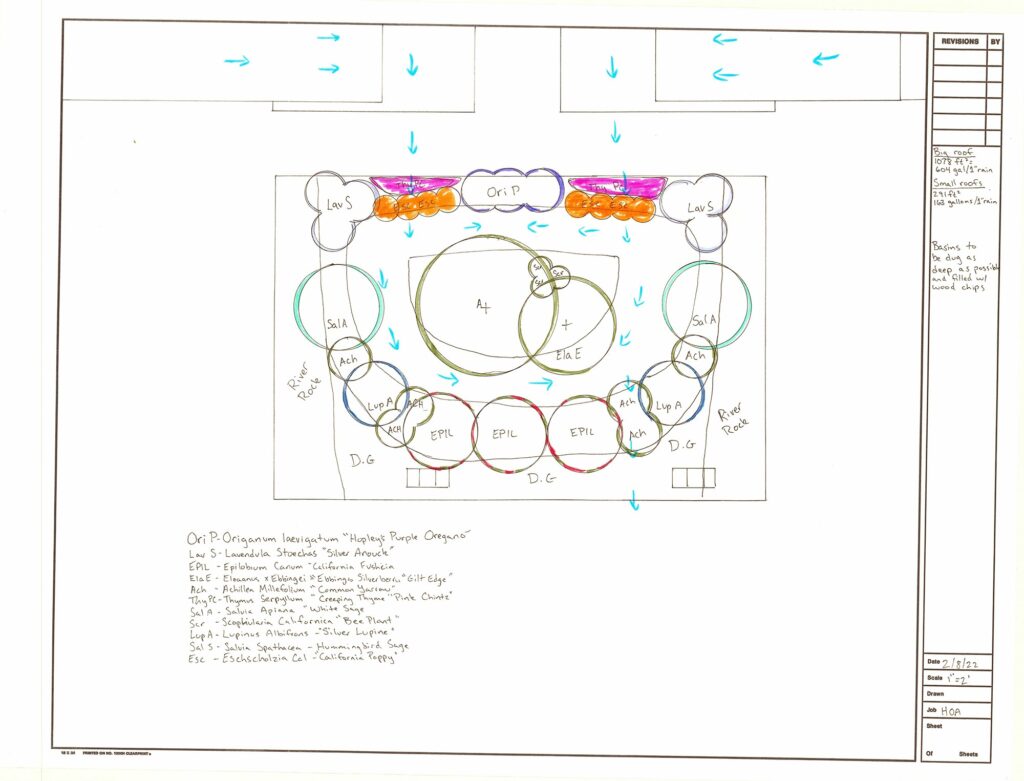
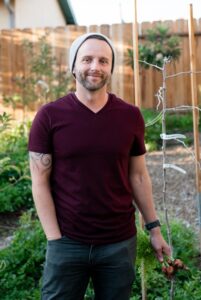 Michael Wedgley is creating the designs for both of the pilot sites at Hampton Bay HOA, and will be working with the HOA’s landscaping company to coordinate the installation of the designs. Michael will also build the soil biology of the sites to create healthier, more lush environments in which the plants can thrive.