Growing Healthier Plants and Ecosystems Regeneratively With Biology

By Michael Wedgley, Permaculture Designer and Soil Food Web Lab Technician

We are excited to be working with Michael and Hampton Bay HOA on the designs for two pilot sites that will demonstrate how lawn in common areas can be replaced with low-water, low-maintenance sustainable landscaping that is healthy, beautiful and natural. Here, Michael shares about the importance of healthy soil biology as part of that equation.

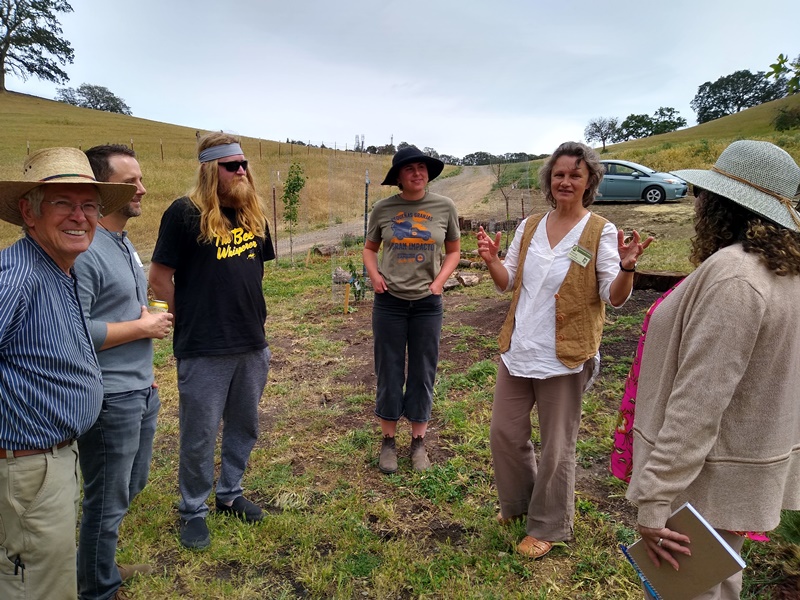
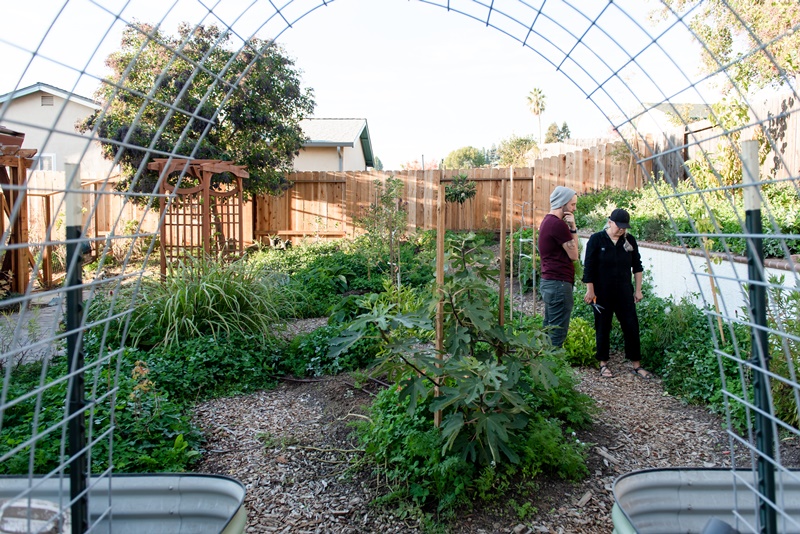
Michael Wedgley meets with a client in a permaculture garden he designed with healthy soil biology in mind.
Photo courtesy of GMC Photography and Video

Growing with biology is a decision to strike symbiosis with the natural world and allow natural systems to support the life of your plants. We can create greener, more vibrant ecosystems that support wildlife and humans more effectively and abundantly. We eliminate the need for toxic and time-consuming applications to “feed” plants and keep disease and pests at bay. By introducing biology into systems that are lacking and nurturing their establishment we can achieve balance in a system that allows us to let go of the wheel and let nature take over. This blog is meant to give a brief introduction to the natural process in action that allow for this transition.

Learn more about the Hampton Bay HOA project and Permaculture Designer Michael Wedgley on our HOA Projects page.

Who Are the Players

Fungi – Mushrooms are the fruiting body of a group of organisms known as Fungus. There are Fungi that break down material like leaves and wood, Fungi that form beneficial relationships with plants, and Fungi that parasitize plants. Fungi is the dominant nutrient-cycler in an old growth forest.

Bacteria – There is aerobic (oxygen preferring) and anaerobic (lack of oxygen preferring) bacteria. Most beneficial soil bacteria is aerobic; most disease forming bacteria is anaerobic. Bacteria help to mine nutrients from parent material and create structure in soil.

Nematodes – Nematodes are like microscopic worms. There are 3 primary groups to be aware of; bacterial feeding, fungal feeding, and root feeding. Root feeding can cause plant disease.

Protozoa – Large single celled organisms that feed on bacteria.

Nutrient Cycling

By ensuring that soil has adequate numbers of each of our microbial populations we eliminate the need for fertilizers. All soils have the necessary nutrients for plants to thrive. The biology in the soil makes those nutrients plant available through the nutrient cycle. This semi-complex interaction starts primarily with bacteria and through predation by nematodes and protozoa, excess nutrients are released into the soil.

Diversification and Disease Prevention

By ensuring that we have high and diverse populations of beneficial microbes we ensure there is no room for disease organisms to dominate and thrive. In general, just as in the human body, disease organisms in the soil and on the surface of the foliage of plants need a weak ecosystem to establish and thrive. By creating a diverse and abundant ecosystem of microbes we create a system that is impenetrable by diseases and pests.

Fungal to Bacteria Ratio and Weed Suppression

By customizing the ratio of the amount of Fungi in the soil to the amount of Bacteria in the soil, we can actually select for which plants we want to grow and eliminate weed species. To understand this, consider an old growth forest. You’ll notice that there are ferns, there are large coniferous trees, but nowhere can you find your typical garden weeds. The reason for this is the form of nitrogen released by fungi. This form of nitrogen (ammonia) is a lower ph. This is why you hear people say “blueberries prefer acidic soil.” On the other end of the spectrum (bacterially dominated) you have early succession plants like grasses. This is because the exudates created by bacteria are more alkaline. You don’t see many trees in prairies. Applying different compost preparations that have higher fungal to bacterial ratios we can begin to affect the ratio in the soil and have healthier plants and select against weed species.

Thermophilic Compost

The process in which we create compost to ensure the highest diversification of beneficial organisms and that we are able to eliminate pest organisms is through Thermophilic Composting. Using a diverse source of material, in the right balance, while maintaining aerobic conditions we are able to raise the temperature of a pile to the point that disease and pest organisms are destroyed while beneficial ones are left to thrive given the rich and diverse foods provided. We monitor the pile’s biology by assessing it under a microscope. Once the biological numbers are at our desired numbers it is ready for a number of applications.

Applications

With a microbially dominant compost that has our desired ratio we can apply the microbes through 3 primary applications.

  1. Direct compost applications – This application is recommended if the organic matter is lacking in dirt we wish to grow in. We can either till in some compost or apply to the surface of dirt.
  2. Compost extract – In this application we actually extract the microbes out of the compost and they become suspended in water. We can then apply this as a root drench to put the biology right where the plants will use it, or at areas of compaction where the bacteria can begin to loosen it up and create aerobic conditions with improved soil structure.
  3. Compost teas – Once we have an extract, we can “brew” it by adding oxygen into the water with some foods for the microbes. We let the extract bubble with aeration for roughly 24 hours while monitoring the growth under a microscope. Given time, bacteria and other microbes are able to multiply and form glues that allow them to stick to surfaces. We then spray this compost tea on the leaves of plants giving them a protective barrier from disease-causing organisms as well as allowing for nutrient exchange on the foliage of plants.

The number of applications necessary to establish a resilient and sustainable colony of beneficial microbes in the soil varies given many variables. The best way to picture what it takes is to think of settlers settling America, according to Elaine Ingham, microbiologist and researcher who created the Soil Food Web approach. Sometimes the first to arrive didn’t survive or few survived. The next ship was better prepared, or there were some settlers previously that made conditions slightly more hospitable so more were able to survive. Every subsequent ship going forward led to increasingly successful population growths until they became sustainable and reproduced and growing. It is the same with the microbes, and varies depending how hospitable or inhospitable the soil is to begin with, and how well it is protected during colonization.

Fertilizers, Pesticides, Salts, and Chemicals in Water

In establishing and maintaining healthy plants and healthy soil in a biological method we need to ensure the health and safety of the organisms. We must become caretakers of the invisible life that populates the soil beneath our feet and the foliage up above. A critical piece of this care is to ensure that their environment is not compromised by salts or chemicals which can completely eradicate the microbial populations. Fertilizers are a form of salts. All salts will dehydrate the cells of the microbes and cause death. Pesticides are created to destroy life. Even “targeted” pesticides have unwanted casualties and can upset the balance. Lastly chlorine and chloramine in water are designed to ensure lack of microbial growth in the pipes and therefore can do the same in your soil and on your plants. It is extremely important that we understand how fragile ecosystems can be. In general, these natural systems are extremely resilient, but when humans come in with their toxic approaches we upset the balance. Nature will always find a way back towards its attempt at turning everything into an old growth forest, but that takes time. If we want to have healthy and natural environments we have to help the biology along and make sure we don’t destroy it with our products.

Climate & Environmental Festival Reconnects Community to Create Change

By Jonathan Erwin, Resilient Neighborhoods Program Manager

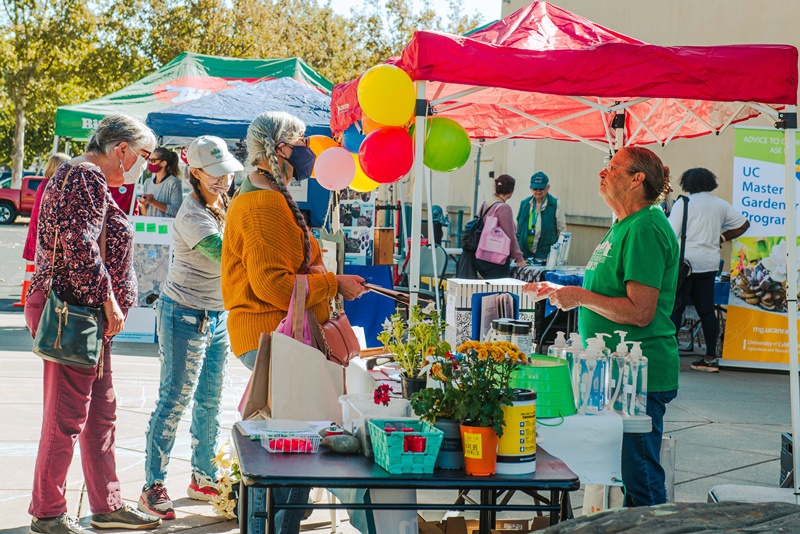
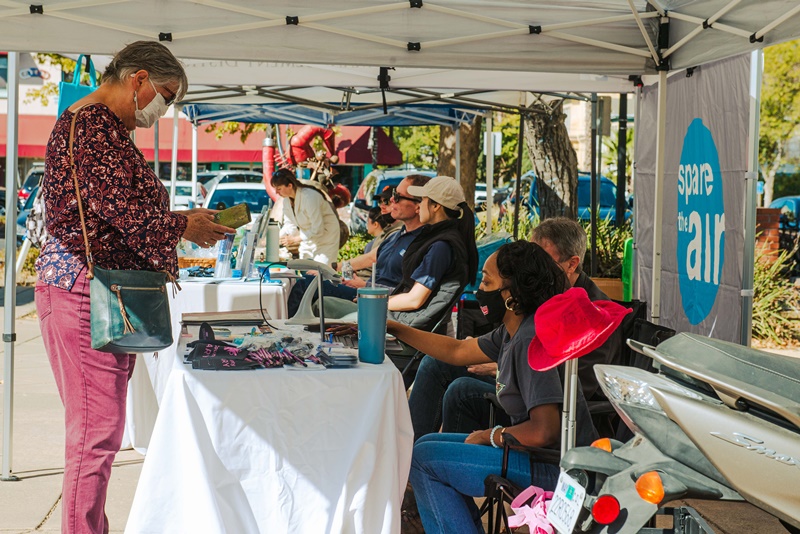
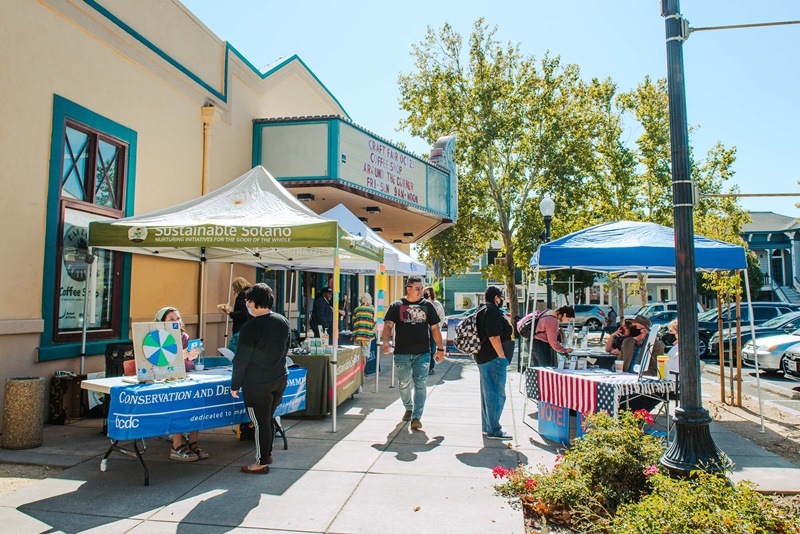
Sustainable Solano hosted Suisun City’s first Climate and Environmental Festival in October. From the long slumber of in-person events through the pandemic, it was great to finally see some friendly masked faces and engage with a like-minded community in Suisun City. Over the course of the day, presentations from San Francisco Bay Conservation and Development Commission, Pathways Climate Institute and Vital Cycles provided a vision and tools for the future while an engagement fair highlighted many organizational efforts across the area as well as broader Solano County.

Amidst the hubbub of the festivities, this event made me realize the importance of connecting with each other. For the past few months, I have found it hard to stay optimistic about the future. With climate impacts happening every day, it wears on my mental state just how insurmountable the climate crisis can feel. Coupled with the pandemic, isolation and physical disconnection from our support networks can leave us feeling the brunt of unsolvable doom.

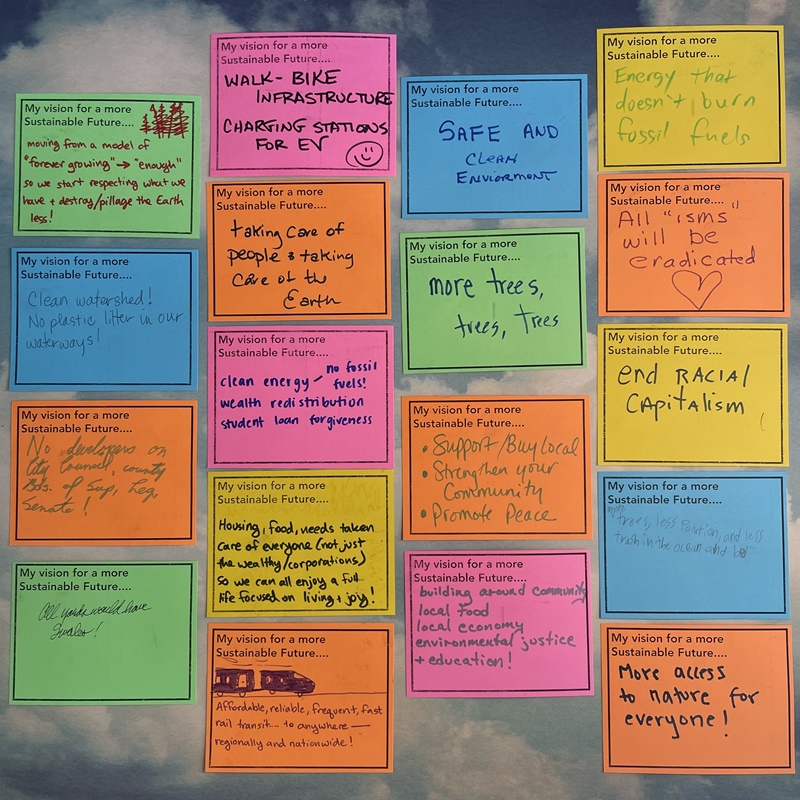
But there is light in the end. Our conversations through the event both with old and new faces, reconnected us with the larger community across Solano County working and advocating for issues around the climate crisis. We have power in numbers, and our community is energized as ever for change. From resource management, transportation and sewer districts, we have advocates for this type of work across a spectrum of organizations. And the ideas that the 120-plus attendees from the festival came up with represent broad and different strategies that we can use to advance our work at Sustainable Solano and across the efforts of Solano County.

We hope to see you out and about over the next few months to learn more about what your vision is for a more sustainable future. Have an idea now? Feel free to reach out to us at info@sustainablesolano.org

Check out some of the presentations from the day in the videos below.

2021 Suisun City Climate & Environmental Festival Educational Talks

Adapting to Rising Tides in Suisun City & Solano County
Protecting the Marsh: A New Suisun Marsh Protection Plan
Nature-Based Solutions to Address Climate Change

The Sustainable Rose Garden

By Katie Rivera, permaculturist and educator

Katie Rivera, a recent Permaculture Design Certificate recipient and part of the team who designed the Rio Vista Veterans Residence demonstration food forest garden, shares this blog with us about how to grow beautiful roses sustainably. Katie will talk about her research and design process for a rose garden proposed for the Rio Vista Veterans Residence in a Zoom talk on sustainable rose gardening July 27 (Register here!). Join her for interesting facts about growing disease resistant, low maintenance roses and specific ideas and suggestions from the Veterans Memorial Rose Garden design.

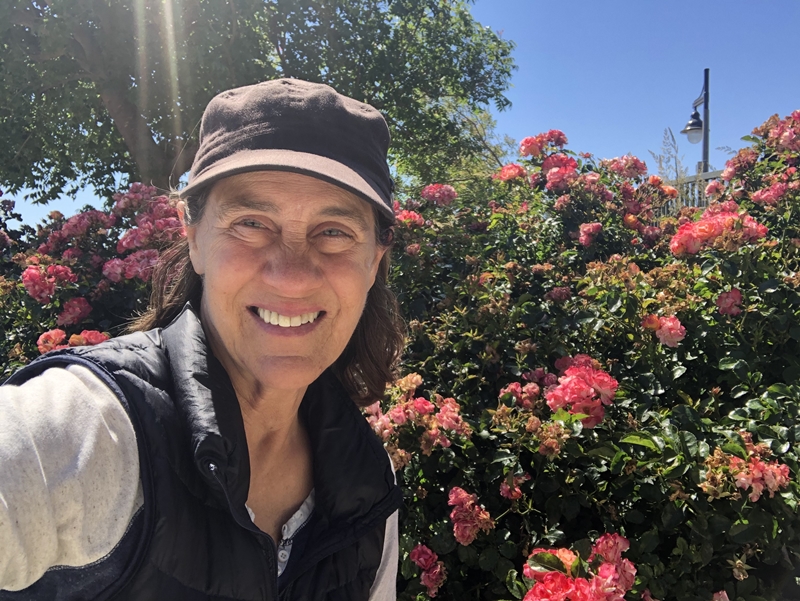
Katie Rivera at Cordelia Community Park

I love roses! There is no other flower that can be a shrub, tree, or vine and give you as many choices of colors and fragrances than a rose. Wouldn’t it be nice to grow your own roses and have them thrive? Over the last couple of decades, researchers, rose cultivators and hybridizers have been working hard to get away from using harmful pesticides on their roses. Trials are being done all over the world to identify roses that are disease resistant, use less water, and require minimal care. Thankfully, these experts are sharing their findings with us! This is a great time to grow beautiful roses with just a bit of know-how and very little maintenance.

Rose Development In History

Let’s start with a little history about roses and their names.

Roses have been grown, survived and proven themselves over millions of years on their own without any kind of maintenance or intervention. “Species” roses are the oldest with only five petals. Any existing rose can be crossed with any other rose to come up with a new hybrid rose. A rose hybridized before 1867 is considered a “heritage” rose. Any rose after that date is called a “modern” rose. And roses grown post-2000 are designated “new millennial” roses. Roses that share a common flower form are considered to be in the same class.

The rose is America’s national flower. Did you know that? Well, I learned something new! In 1986, Congress designated the rose as the National Floral Emblem of the United States. Believe it or not, our first president, George Washington, was a rose breeder! The rose ‘Mary Washington’ was bred and named after George’s mother and is still grown today.

So growing roses should be easy peasy, right? Well, yes, if you grow the right rose in the right location with the right conditions. Getting all these components just ‘right’ is what sustainable gardening is all about.

Sustainable Gardening Best Practices

So what is Sustainable Gardening?

According to John Starnes in Probiotic Rose Growing, the healthiest and most stable ecologies in the natural world are complex, multi-tiered ones, with predator and prey creating sustainable balances. Why would our rose gardens be any different or deserve less?

  • Observation and taking note of what works and what does not is what sustainable gardening encompasses. We must be aware of what is going on in the garden and try to simulate nature in all its wonderful glory.
  • There are many components to watch and take note of in the garden, starting with the soil, water, sun, heat, cold, wind. The list will be specific to your unique site. Then the conscientious gardener must make informed plant decisions using the most organic solutions possible. Where there’s a will to do it ‘right,’ there’s a way!
  • Amending the soil might be the first step, but you won’t know until checking the planting area for pH levels (6-6.5 is ideal for roses) and available nutrients.
  • In regards to insect predators, the goal is to use an approach called Integrated Pest Management (IPM) to manage pests rather than eliminate them, while at the same time exerting minimal impact on the environment.
  • Roses thrive with mulch. It slowly breaks down and continuously feeds the soil. In addition, mulch helps retain moisture and blocks weeds. It’s a must!
  • Combining roses with annuals, grasses, perennials, shrubs and vines is a great way to create color combinations, make more interesting and creative borders, and attract beneficial insects into the garden. Beauty and benefits? What’s not to like?

Companion Plants for Roses

Trumpet , Oriental and Orienpet Lilies
Delphiniums
Perovskia atriplicifolia (Russian Sage)
Centaurea montana (Mountain Bluet)
Salvia ‘Blue Hills’
Veronica spicata ‘Royal Candles’
Veronica ‘Sunny Border Blue’
Heuchera ‘Palace Purple’
Polemonium sps.
Purple Pasqueflower
Platycondon ‘Sentimental’
Nepeta ‘Blue Carpet’
Vining Clematis of all kinds, especially ‘Betty Corning’ and Bush Clematis

*This list comes from William Radler’s Favorite Perennials to Grow as Companions to Roses

Soil Basics

Sustainable gardening requires that we develop a healthy respect for the soil as a living organism. Soil is the base we depend on to build our gardens. We must start there before we can begin to grow anything. A good soil is alive with micro- and macro- organisms devouring each other!

Research shows that roses with healthy populations of mycorrhizae are more vigorous, with increased drought- and disease-resistance and the ability to take up more nutrients and water. Myco means fungus. Rhiza means root. So the term refers to the symbiotic relationship between the two. (See resource list for lacto serum and ‘Poop Soup’ recipes.)

Nearly all water and nutrients taken up by roses come from the soil. Therefore, we must try to understand the nature of our native soil and then manage it to provide our roses with what they need.
Soil scientists have determined that the ideal soil texture for growing roses is 60% sand, 20% silt, and 20% clay. These elements are inorganic matter. The composition of good garden soil or humus contains 45% of this inorganic matter, 5% organic matter, 25% water, and 25% air.

The easiest way to improve the water and nutrient retention in your soil is to increase the amount of organic matter. As a rule, the greater the variety of organic material used, the greater the variety of potential nutrient release for future plant use.

Water Basics

Humus can hold up to 20 times its weight in water! One square foot of this quality soil can contain up to 40 gallons of water. Think of it like a sponge (only much better). So it makes sense in terms of water conservation and efficiency to improve the soil so it can retain more water for plants.

Drip irrigation, which only provides water to the plants or areas that need it, can substantially cut back on your usage and help limit the growth of unwanted weeds.

Using synthetic fertilizers actually dries out the soil and causes you to use more water just to keep the plants alive and growing. Besides destroying the health of the soil, pesticides and chemical fertilizers contaminate streams, kill microbial life, leach into waterways, and build up harmful ecological deposits.

Planting Roses the Right Way

A rose that is happy in its conditions, with plenty of sunshine and healthy soil, is going to be naturally healthy and disease resistant in your garden eliminating any need for harsh chemicals (P. Kukielski).

Sounds pretty simple, right? Of course right! This is all you need to do! Yes, you do have a role to play. You can’t plant it and forget it. Make sure you don’t leave any of these important steps out:

Pick the right rose, plant it properly, and care for it well (you won’t need chemicals).

Know that roses thrive in sun, good soil, drainage, and they need air, more water the first year, and regular mulching.

Basic planting steps:

  1. Amend the soil in the planting bed.
  2. Dig a hole slightly larger and deeper than the root ball or bare roots of the rose.
  3. Add compost to the dirt removed from the planting hole at a ratio of ⅓ compost to ⅔ soil.
  4. Prepare the hole and plant the rose:
    • Container rose – backfill hole with compost soil to the bottom of the pot then place plant in the hole and fill in around the root ball. Tamp in well. Soil should be even with natural soil level.
    • Bare root rose – create a small mound in the hole and spread the roots over the mound, then backfill with soil compost mixture. Tamp in well. The soil should be even with the natural bed level.
  5. Water well.
  6. Top with 3-inch mulch layer.
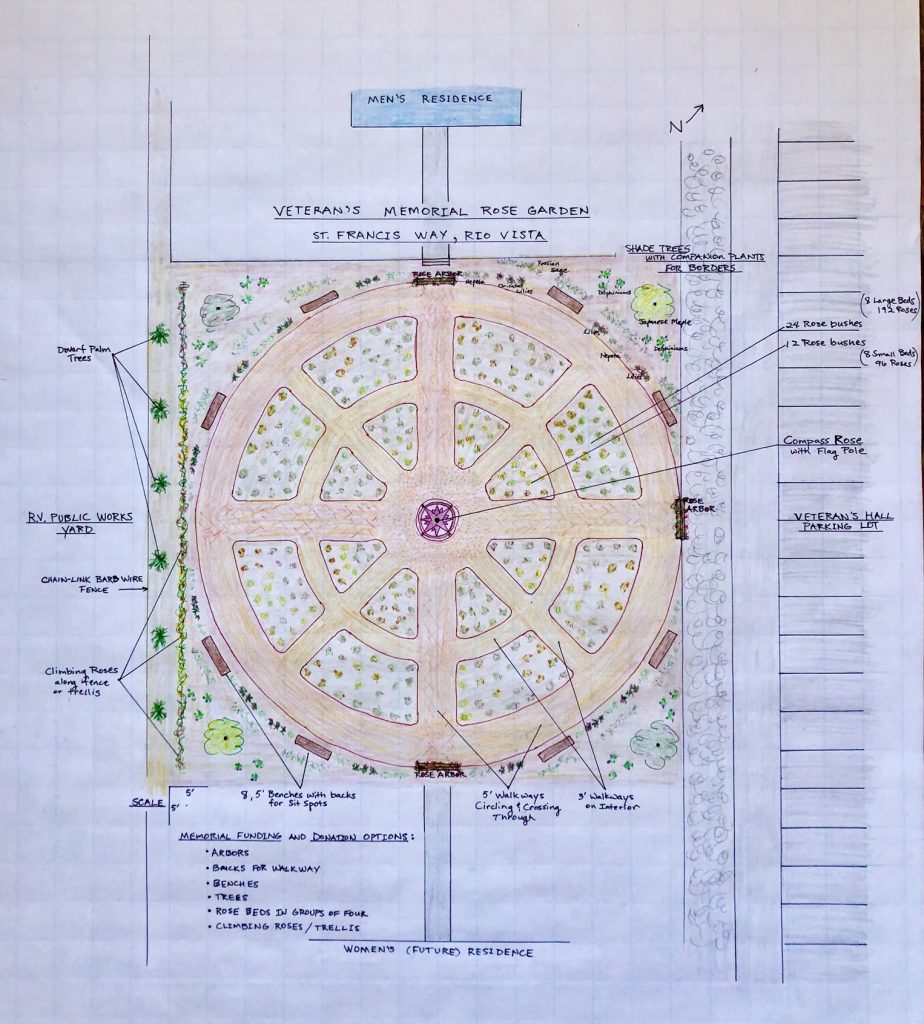
Katie’s design proposal for a Veterans Memorial Rose Garden

Identifying Sustainable Roses

The best tool I found on picking disease-resistant (not disease free), sustainable roses was Peter E. Kukilski’s book, Roses Without Chemicals. In this book he lists 150 roses, rates them for disease resistance, flowering and fragrance. And with each of these roses, he also suggests companion plants to accent the unique color and growth of the rose. Peter includes lists of roses by region and climate and has fabulous color pictures throughout.

I would also suggest visiting rose gardens, talking to local rose growers, and asking nursery owners which roses do best in your area.

Following are some resource links and lists on the topic of sustainable rose growing.

May you enjoy years of growing and sharing your very own sustainable roses!

Recipes to Inoculate Your Roses

LAB Serum (also known as Lacto)

Can be applied to plants and soil — get the recipe here

Poop Soup

    • Fill a 5 gallon bucket with 4 gallons of well water or city water aged 2 days.
    • Add 1 gallon of FRESH horse poop, stir daily for 1 week.
    • Then add 2 cups Calf Manna, 1 cup compost starter, 2 cups good garden soil or fresh compost, 2 tablets of Primal Defense (available at health food stores or online)
    • 2 cups of sugar.
    • Stir, let brew for 1 day, then sprinkle lightly all over your rose garden, both the plants and the soil.

Websites

Our Water Our World: Roses
ourwaterourworld.org/roses/

Rose Solutions
rosesolutions.net/sus_roses.html

American Rose Trials for Sustainability
americanrosetrialsforsustainability.org

Earth-Kind Rose Trials
aggie-horticulture.tamu.edu/earthkindroses/

Help Me Find Roses
helpmefind.com/roses

The New Millennial Rose Garden
millennialrosegarden.com

Paul Zimmerman Roses Forum
paulzimmermanroses.com

Peter Beales Roses Forum
classicroses.co.uk/forum

Permaculture Design Course Graduates 12 in Benicia

By Allison Nagel, Program Manager

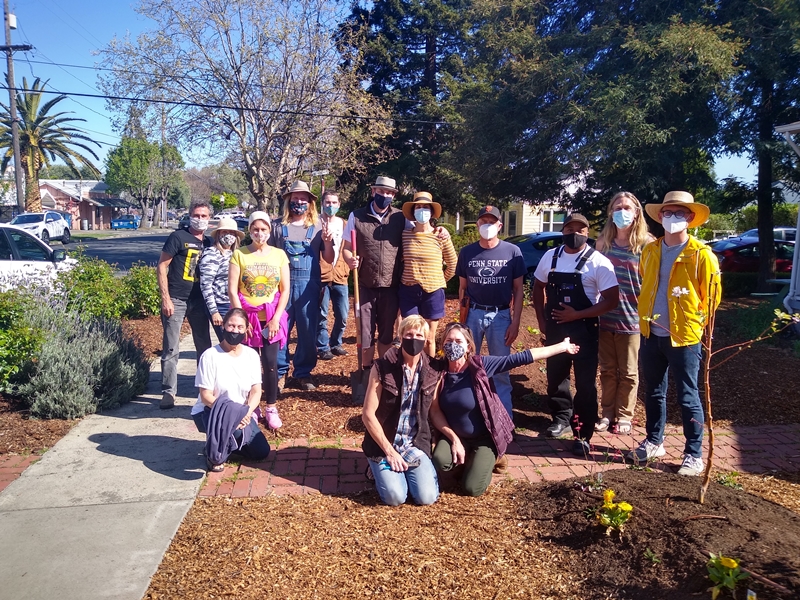
The 2021 Benicia PDC class participants, instructors and homeowners

Solano County’s first Permaculture Design Certificate course wrapped up on April 10, with 12 students presenting their capstone design projects and receiving their PDC certificates.

It was powerful to see how this group used what they had learned to shape plans for four very different projects: One on a gradual rewilding of an aging DMV site to create a city park space; one envisioning the transformation of bare soil and turf at a city park into a welcoming space for enjoyment and reflection; one creating a healing garden space at a veterans home; and one bringing regenerative farming practices to a homestead that could support the family that lives there and supply food for their restaurants.

It was also powerful to connect with a group of individuals that signed up for the PDC program for a variety of reasons, from professional advancement to personal goals, but who all brought their passion, knowledge and desire to shape a better world to the course and their projects.

2021 Benicia PDC Slideshow


2021 Benicia PDC

The program was offered in Benicia through a partnership between Sustainable Solano and Benicia Adult Education. The PDC, which is an internationally recognized certification program, has 72 hours of standard required curriculum, but instructors bring their own expertise and insight to each program. We were lucky to have Lydia Neilsen and Anne Freiwald of Vital Cycles lead the PDC class in Benicia, which had a hands-on component focused on putting permaculture principles to use in a suburban setting.

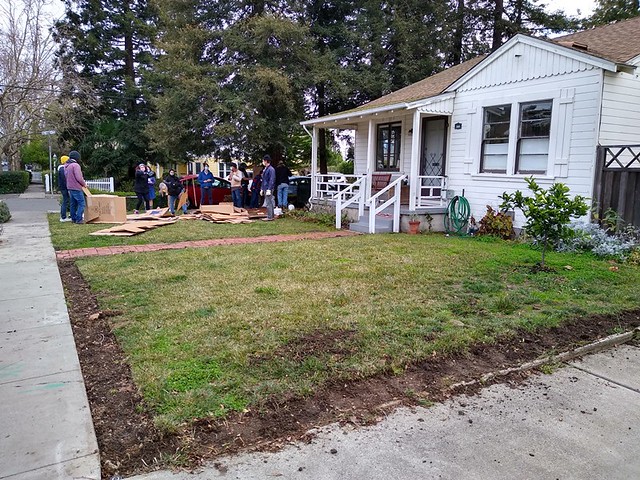
The PDC demonstration project sheet-mulched the grass on the front yard of a Benicia home, dug an in-ground swale to capture rainwater from the roof of the house, planted guilds of plants that work together and support one another for a healthy ecosystem in the front yard, and installed a laundry-to-landscape greywater system that will take the used wash water and run it into mulch basins on the side yard for the plants there.


Video courtesy of  PDC participant Sylvia Herrera

I had the unique opportunity to pursue my PDC along with the class, allowing me to reach a life goal I set back when I first started volunteering with Sustainable Solano and learning about permaculture. The program wasn’t without challenges. COVID-19 caused huge shifts in when we could offer the course, and then we had to make logistical adjustments to be able to offer the course safely under the state’s higher education guidelines. We were so fortunate that Anne and Lydia looked for creative ways to offer the class in a combination of online and in-person instruction; and that homeowners Chris and Megan, our newest Food Forest Keepers, generously made their backyard available for class instruction while the front and side yard were being transformed through the class’ hands-on projects. I appreciate the patience of my fellow students who pursued taking the course despite these challenges and worked to get the very most out of it. Along with the education that came from the program, I also feel we created a community among the class that comes from working so closely together.

The PDC course was offered as a part of our Workforce Development program, which has been a part of transforming three Benicia yards into food forest gardens that are edible, waterwise alternatives to lawns, while educating landscaping professionals, life-long learners and high school youth on permaculture principles and sustainable landscaping practices.

We are already starting to plan for our next PDC course! Interested? You can find details here in the coming months. And feel free to email me at allison@sustainablesolano.org to be added to the interest list.

Congratulations to our 2021 Permaculture Design Certificate recipients!

John Davenport*
Scott Dodson*
Jonathan Erwin
Clay Ford
Karen Lee Ford
Sylvia Herrera
Ron Kane
Jason Lingnau
Allison Nagel
Katie Rivera
Jaxon Shain
Susan Worden

*Learn more about these participants on our Sustainable Landscaping Professionals page

The Benicia PDC program and demonstration project were funded through student fees, Benicia Adult Education, the second amendment to the Valero/Good Neighbor Steering Committee Settlement Agreement, and the Solano County Water Agency.

Vital Cycles Brings Permaculture Instruction to Solano County

By Anne Freiwald & Lydia Neilsen, Vital Cycles

Vital Cycles is Anne Freiwald and Lydia Neilsen, permaculture educators based in Santa Cruz County. They bring together extensive backgrounds in community health and permaculture education and activism, and have taught classes to our local community through Sustainable Solano.

We are thrilled to be part of the diverse offerings Sustainable Solano provides the community! We have been consistently impressed and inspired by the commitment of Sustainable Solano and the larger community to regenerative practices and community resilience. Join us this January 2021 for Sustainable Solano’s first Permaculture Design Certificate Course (PDC), which we are kicking off with four free introductory classes so you can get to know us and get a taste of what permaculture is all about. See this link for more details.

Our first offering, Permaculture 101: Patterns and Principles, focused on three of our favorite patterns: the meander, dendritic branching and the keyhole bed design. Patterns provide tools for understanding the big picture as well as design ideas to integrate. Permaculture principles represent stories and ways of understanding that offer deeper perspective on how we interpret our landscapes and make design decisions. This shift in thinking is critical to our roles as members of and tenders within the ecosystems we inhabit. Missed this one? Check it out in the video above, or here.

This Saturday, Nov. 7, from 11 am-12:30 pm we will be taking a deep exploration of Soil, Water, and Plants. As gardeners, we are working with these three all the time, but do we really understand the nature of their interactions? How can we honor and enhance their interconnections and synergy on a backyard scale? How do they regulate carbon in our atmosphere and what is their role in maintaining local and global climate? Join us for an integrated perspective and practical examples for working with soil, water and plants, so that we can all move towards dynamic stability through ecological co-creation. Register here.

Our following talks will be on the parallels between our natural and internal worlds, particularly the cycles of sleep and water, and community and the permaculture concept of guilds (plants that work together to support one another). The sleep and water talk will be Dec. 12 and the guilds and community talk on Jan. 9 (registration will open soon). We hope you’ll join us for all of these informative talks and dive deeper into the study of permaculture with the PDC this January in Benicia!

Permaculture Design Certificate Course Coming to Benicia

By Allison Nagel, Workforce Development Program Manager

Permaculture education is a key part of Sustainable Solano’s mission, and that means not only educating the public through our hands-on workshops and online talks, but also offering ways for professionals to grow their knowledge and understanding.

That’s why we’re excited to bring our first Permaculture Design Certificate course to Benicia starting in January. The course offers an internationally recognized certification, though its appeal is widespread – from landscapers interested in enriching their design skills to individuals who want to create change in their communities. At its core, permaculture recognizes the strength of working with nature to encourage natural processes that result in healthy soil and abundant ecosystems. Permaculture can be used to design a landscape, neighborhood, community, organization or society.

Sustainable Solano’s 2021 PDC develops a broad understanding of permaculture and design that uses whole systems thinking, which looks at how everything works together as a part of a larger whole. This can apply to the environment, our internal state of being and our organizations and social systems. In this course, participants learn a standard 72-hour permaculture curriculum toward certification. Participants will also gain hands-on experience in designing and transforming a local landscape using design principles and incorporating the use of captured rainwater and greywater systems.

We are excited to bring Lydia Neilsen and Anne Freiwald of Vital Cycles to Benicia as the course instructors. Lydia, a longtime partner with Sustainable Solano, is a PINA certified permaculture educator, landscape and habitat designer, specializing in water cycle restoration and passionate polyculture. Anne is a passionate personal health and permaculture educator focusing on growing food in small spaces, working for over 25 years with individuals and communities on personal ecology and community resilience. They have an action-based perspective that highlights skills, practices and resources necessary for growth, creativity and vitality in person and place.

Curious to learn more? Lydia and Anne will be offering two free online introductory talks that will cover the foundations of permaculture. They will discuss Permaculture 101: Patterns & Principles from 11 am-12:30 pm Oct. 3, and Soil, Water & Plants from 11 am-12:30 pm Nov. 7. These are a great way to learn more about permaculture and to meet these wonderful instructors. The Patterns & Principles class will cover working with nature to create resilience – the very heart of permaculture design. The Soil, Water & Plants class will explore how these vast and interconnected systems work together to restore and maintain balance in local and global climates.

2021 PDC instructors Lydia Neilsen and Anne Freiwald

For those inspired by the talks or already wanting a deeper dive into permaculture, the PDC will offer a rich, varied experience with a small group of peers involved in online classes, hands-on experience and cooperating on a final design project. The program runs from January through April with all classroom instruction online and four hands-on weekends spent outdoors at a site in Benicia. The program is $1,200, with a 10% discount for verified Benicia residents.

Because of safety precautions due to COVID-19, we are limiting enrollment in the 2021 PDC. This will allow us to maintain physical distancing requirements, and we will take other precautions, such as sterilizing tools between uses, during the outdoor instruction. We will continue to work with Solano Public Health and monitor state and CDC guidelines to make sure the program meets the latest requirements.

For those with PDCs who want to brush up on certain topics or those interested in learning more about permaculture before signing up for a full PDC, there will be four online Friday Focus classes that will be open for public registration on a sliding scale. These classes are included as part of the PDC instruction, but are also being open to the public. We will have more details and registration open for these closer to January.

The PDC program will be partially funded by the second amendment to the Valero/Good Neighbor Steering Committee Settlement Agreement, which supports our goals of public and professional education, and measurable improvements for the city of Benicia. The free introductory permaculture classes are funded by the Solano County Water Agency.

Free Online Introductory Classes

Oct. 3 (11 am-12:30 pm): Permaculture 101: Patterns & Principles (Register here!)

Nov. 7 (11 am-12:30 pm): Permaculture 101: Soil, Water & Plants (Register here!)

Permaculture Design Certificate Course

PDC begins Jan. 29. Learn more and register here!

Questions? Contact Program Manager Allison Nagel at allison@sustainablesolano.org