Perennial Edible Gardening
By Lori Caldwell, CompostGal
Lori Caldwell once again answers your gardening questions — this time from her talk on Perennial Edible Gardening. You can watch Lori’s talk in the video here and read her responses to your additional questions below.
Watch Lori’s previous talk and answers to more questions on Big Gardens in Small Spaces: Container Gardening here.
Want to connect with Lori? Find her information on our Sustainable Landscaping Professionals List!
Thanks so much for all the great questions and discussions!
How many years do artichoke plants produce edible fruit?
You can expect about 3-6 years of fruit. There are some maintenance tips I’d like to pass on:
- Don’t overwater or over mulch the artichokes. They are pretty drought tolerant.
- Cut the ripe artichokes often to encourage more to grow.
- Feel free to let a couple of artichokes go to flower. They are beautiful and the bees love them!
- Do a hard cut back of the plant at the end of the growing season or before winter comes. Leave about a foot of stem
Can artichokes survive the snow for a short time?
They can but only if you prep them for the cold season. Cut the stems the stack on top of the main stem. Put a coarse mulch around the base and top of the cut plant. This should help insulate the plant from lower temps.
What frequency do you deep water, for how many minutes?
It depends on a couple of things: the type of plant (tree/shrub, annual) and your soil type (sandy/clay)
Here’s a great PDF watering schedule link:
https://www.urbanfarmerstore.com/wp-content/uploads/2013/08/SFBay_Irrigation_Schedule1.pdf
It’s specific to the San Francisco Bay Area, so adjustments would need to be made for other areas/climates.
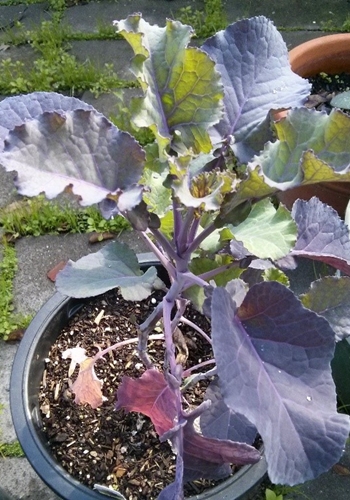
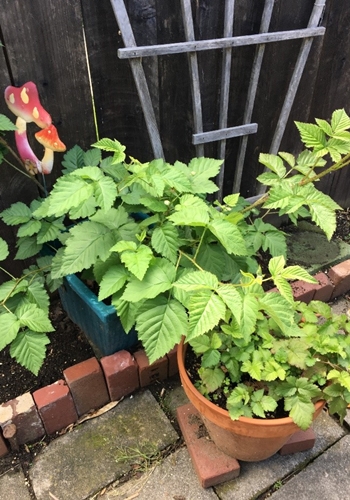
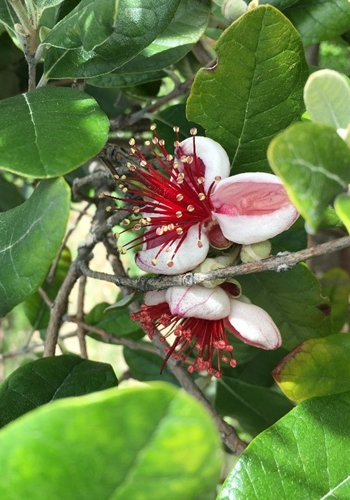
What’s a good, tall, perennial edible that will grow well in the morning to just afternoon shade and pretty harsh afternoon sun?
- Tree collards work great in all types of climate and sun/shade conditions.
- Blackberries, especially if you can get the thornless variety, could work well, too.
- Pineapple guavas are drought tolerant and can be trained for espalier. They can handle the heat and are quite drought tolerant.
Would starting an apple tree in a container be advisable? If so, when is the best time to transplant into the ground?
You could start an apple tree in a container for sure! I’d recommend getting the largest container (10 gallons or larger) and if you can, a tree on dwarf root stock. A dwarf could last maybe 1-2 seasons in the large container. However, a traditional root stock tree may only make it 1 season before having to transplant. The roots would be fast growing and fill the space quickly.
Fall and Winter (depending on snow of course) is a great time to transplant:
- Easier access to water from winter rains
- Cooler temps will help the tree adjust much easier and prepare it for hotter days
- The soil may be more forgiving to work with
What dwarf citrus trees do you recommend for a small garden?
Any and all of them! My first question is what do you like to eat? What will you use this citrus for? Depending on where you live you should check to see what varieties grow well in your Hardiness Zone or your Sunset Zone. Most citrus trees varieties have certain heat and cold tolerance:
- Lemons and limes can handle cooler temps
- Valencia oranges require a lot of heat, but cannot handle cold temps
If you have issues with space, consider getting an espalier citrus. It will orient itself along a wall or fence (you just have to keep pruning to maintain the “flat” shape).
I’m very happy with my Meyer lemon and Rangpur lime. I’ve had them in 10 gallon pots for the past couple of years and they are about to get a container upgrade.
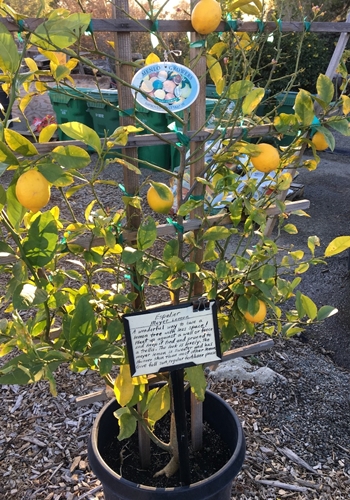
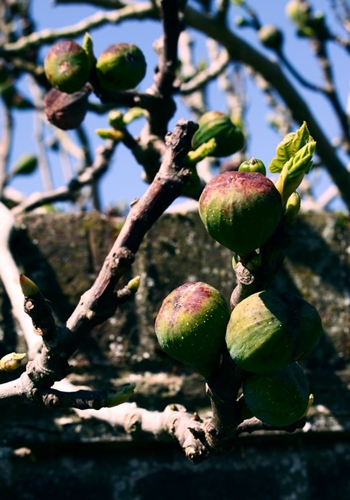
Fig Questions:
How often should a fig be watered?
The goal is going to be deep watering on an infrequent schedule. The roots will go deeper with this type of watering.
Here’s a great PDF watering schedule link:
https://www.urbanfarmerstore.com/wp-content/uploads/2013/08/SFBay_Irrigation_Schedule1.pdf
It’s specific to the San Francisco Bay Area, so adjustments would need to be made for other areas/climates.
Can you grow figs in Zone 8?
Yes you can! Looks like Zone 8 is at the end of the range that favor keeping figs outdoors year round!
What makes fig drop their fruit before they are ripe?
It can be a couple of factors:
- Not enough water : be sure to water regularly, especially during the fruiting period
- Lack of phosphorus in the soil at the time of fruiting. Application just as the fruits start to appear should help.
Passionfruit? How do you prune? How do you propagate?
Such a beautiful plant and flower! You prune them every year after harvesting the fruit. Cut them back to about 1/3. Prune dead branches especially. I’ve never propagated passionfruit before. If I had to guess: root green stems in water? Dry out a fruit and plant by seed? There is also the option of rooting woody stems with rooting hormone.
Do you advocate planting onions and garlic around the plants that attract aphids?
I do! Onions are great companions for plants like broccoli, cabbage, tomatoes and lettuce. Not only do onions repel aphids, but also cabbage worms!
Can you deter aphids if it’s above/below a certain air temperature?
Sorry, aphids are pretty hardy pests in the range here in the Bay Area. I’ve seen them in Vegas in the summer too. I wish there was a way to deter them! Remember, you do actually need some level of pests in your garden in order to attract beneficial insects.
I have bark mulch around my trees. Do I need to scrape it back before amending the soil around the tree?
Yes, pulling it back would make amending it much easier. Actually, most plants should have a bit of space between the main stem/stalk and mulch. Too close could be too much water at the root base.
Any recommendations on which phosphorus to use?
I use Bone Meal for my garden mostly. Lately, I’ve been doing some research for my clients who are vegan/vegetarian and don’t want animal products in their gardens. I’ve discovered rock phosphate as an alternative.
- Contains a slower release phosphorus so it’ll last longer in your soil. 1 application per season should be sufficient for your flowering and fruiting edibles/plants.
- It also contains calcium as a bonus trace element.
Can an orange tree be grown in an 11-square-foot pot?
The smallest container that I’ve seen an orange in is 5 gallons. But that will only last a year at the most. A larger container (10 gallons+) will certainly keep a tree for longer to indefinitely. Regardless of the size, an orange tree will still need lots of nitrogen, well-drained soil and consistent watering.
Enjoy the talk? Take this survey to help us determine future sustainable landscaping classes.
The Solano Sustainable Backyards program and the talk are generously funded by the Solano County Water Agency.
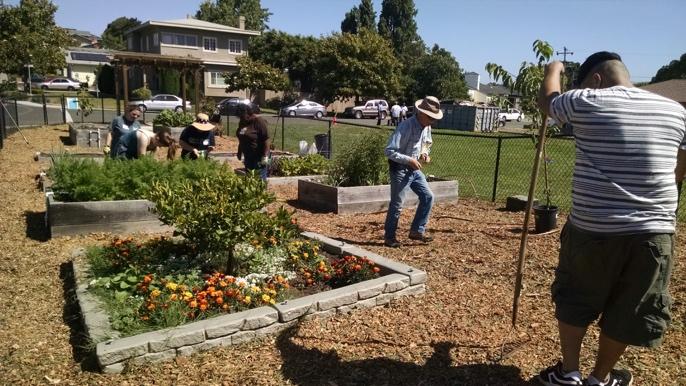

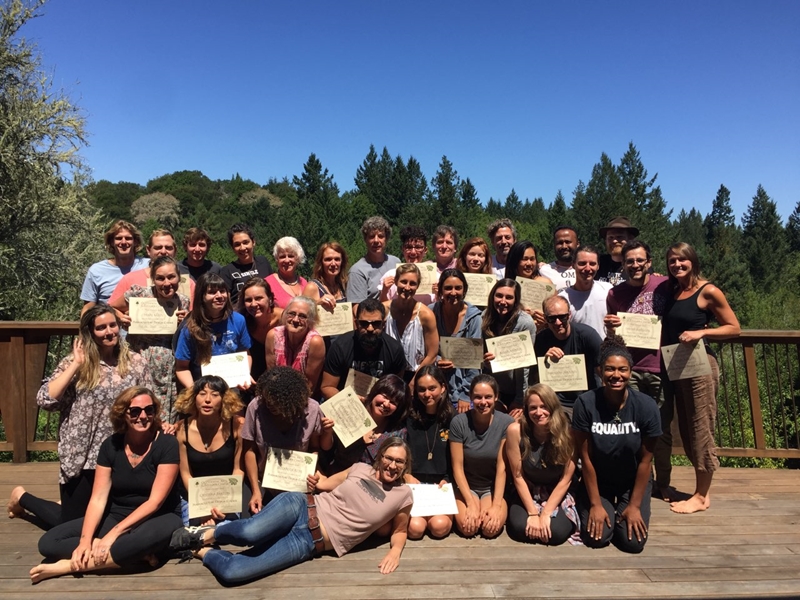
 The course itself was both incredibly rigorous in its training, and yet at times also felt remarkably like summer camp. Nestled in the lush Duck Bill Creek watershed of Western Sonoma County, the property boasts a number of incredible gardens, restored forest and grasslands, an irrigation pond (which doubles as a swimming hole), and countless trails to get lost on. Communal vegetarian meals cooked in the shared kitchen with ingredients from the gardens were shared three times a day.
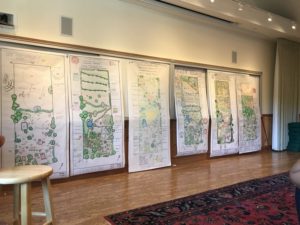 The course culminated in a group design project, which for us focused on a nearby 7-acre plot of land that had recently been acquired by the Cultural Conservancy. Indigenous wisdom and learning the heritage of our host land was a focal point of the training. This came in many forms: first a small presentation by The Cultural Conservancy, then a trip to the actual site in the city of Graton, which is Southern Pomo Coast Miwok Territory. During this site visit, we all took notes, pictures and asked members of the Cultural Conservancy what they envisioned for the space to better understand their hopes and aspirations for the place. As a group, we were grateful that we were allowed to participate in a project that aims to create an inter-tribal bio-cultural heritage farm and indigenous education center. Together in a team of five, we created designs that represented all the different topics we were taught, and then on the last day presented it to the Cultural Conservancy.