Winter in the Milkweed Garden

By Annina Puccio, co-founder and co-director of the Monarch Milkweed Project

Annina Puccio and Ann Whittemore started the Monarch Milkweed Project out of Benicia, CA, to increase the supply of milkweed available to Western Monarch butterflies as they make their way along their migratory path. We partnered with the Monarch Milkweed Project for an informative talk on Monarch butterflies, their population decline and how you can help! You can watch the video from the talk at the bottom of this blog post.

It has been a very successful spring and summer here in Solano County, spreading the word about how to support the Monarch butterfly population locally and spotting many of these iconic insects floating through our yards this year. Winter is the season to clean up the milkweed garden, as the last few caterpillars pupate in the fall and the final Monarch butterflies take flight for their over-wintering sites. It is also the time to begin preparing the garden bed for next year!

With shorter days, and chillier nights, native milkweed begins naturally to yellow and collapse. The roots continue to store energy for next year, so keep them watered and your plants should come back bigger and stronger than ever in the spring.

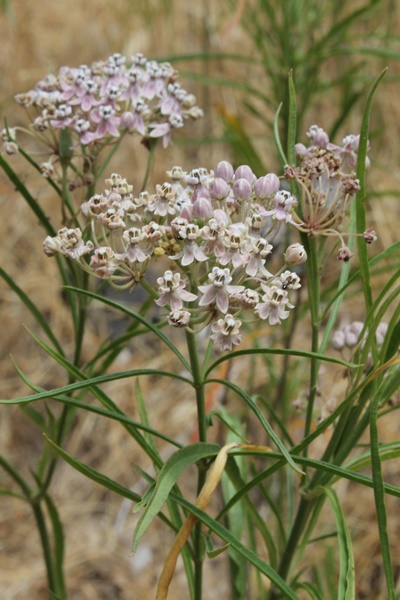
Native narrowleaf milkweed

However, if you have been growing tropical milkweed (asclepias curassavica), it is recommended that you remove it and replace it with native milkweed now. At the very least, cut the plants back almost to the ground.  This variety of milkweed remains evergreen and even may flower through the winter, which allows the protozoan parasite Ophryocystis Elektroscirrha (“OE”) to build up in the plant. This disease affects the Monarch butterflies’ overall fitness, reduces their ability to reproduce successfully, and can interfere with their migration. Instead, look for seeds of native milkweed. In our local area, showy milkweed (asclepias speciosa) and narrowleaf milkweed (asclepias fascicularis) are the recommended varieties to grow, so collect seeds to sow now or in the early spring.

When planting milkweed, the seeds need “stratification,” which is the process of breaking down the seed coating with moisture and cold temperatures. If you plant seeds directly outdoors now, the rains and winter cold will stratify the seeds naturally, and they will develop strong root systems by spring.

A very good resource for fall planting instructions can be found on the Monarch Butterfly Garden website, at https://monarchbutterflygarden.net/fall-planting-milkweed-10-steps/

Alternatively, you can store moistened seeds in the refrigerator for a few months throughout the winter (lay them out on moistened paper towels in layers in a large flat container), and then start them indoors in the spring in small pots or starter cells. Keep them warm and watered, and when they have 3-4 sets of leaves, plant them outdoors after the last frost has passed.

While you are planning your milkweed garden, do not forget about nectar plants to attract and nourish the butterflies. You can find a good list, tailored to California, by the Xerces Society at: https://xerces.org/publications/plant-lists/monarch-nectar-plants-california

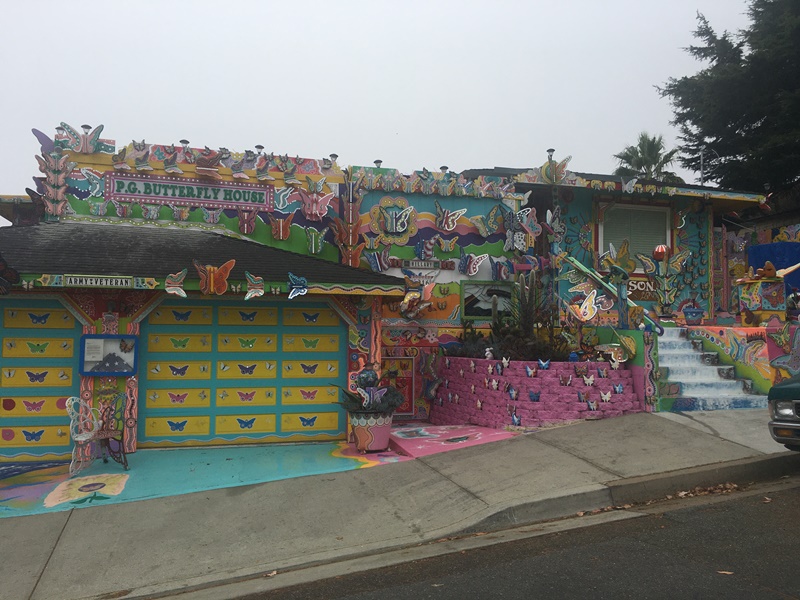
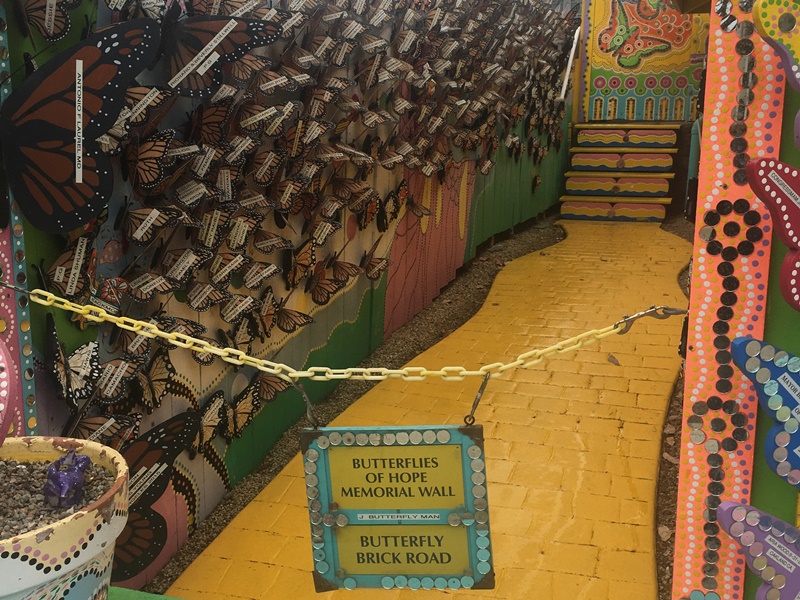
While you are looking ahead to next year, a fun and educational winter activity is to visit a Monarch overwintering site. The most well-known and largest are at Natural Bridges, Pacific Grove (those are pictures of the Pacific Grove Butterfly House above), and near Pismo Beach, but they also have been spotted nearby on Mare Island and at Point Pinole. Use the map from Western Monarch Count here to find a site: https://www.westernmonarchcount.org/find-an-overwintering-site-near-you/

Thank you to everyone who has worked so hard in Benicia, Vallejo and all over Solano County to support the Monarch Butterfly. The overwintering population numbers are WAY up! A 3500% increase in Pismo Beach alone.

As the Monarchs move to their over-wintering sites, we are hopeful for other increases in population as well. Keep up the good work raising Monarchs and if you haven’t already, please consider joining our Monarch MilkWeed Project group on NextDoor: https://nextdoor.com/g/our9txeuo/

Learn more about the Monarch Milkweed Project here

Garden Champion Sylvia Herrera in the Spotlight

By Sierra Reinertson, Volunteer

This is a new feature highlighting the people who support Sustainable Solano’s work with their time, energy and commitment to shaping a better world while strengthening their communities.

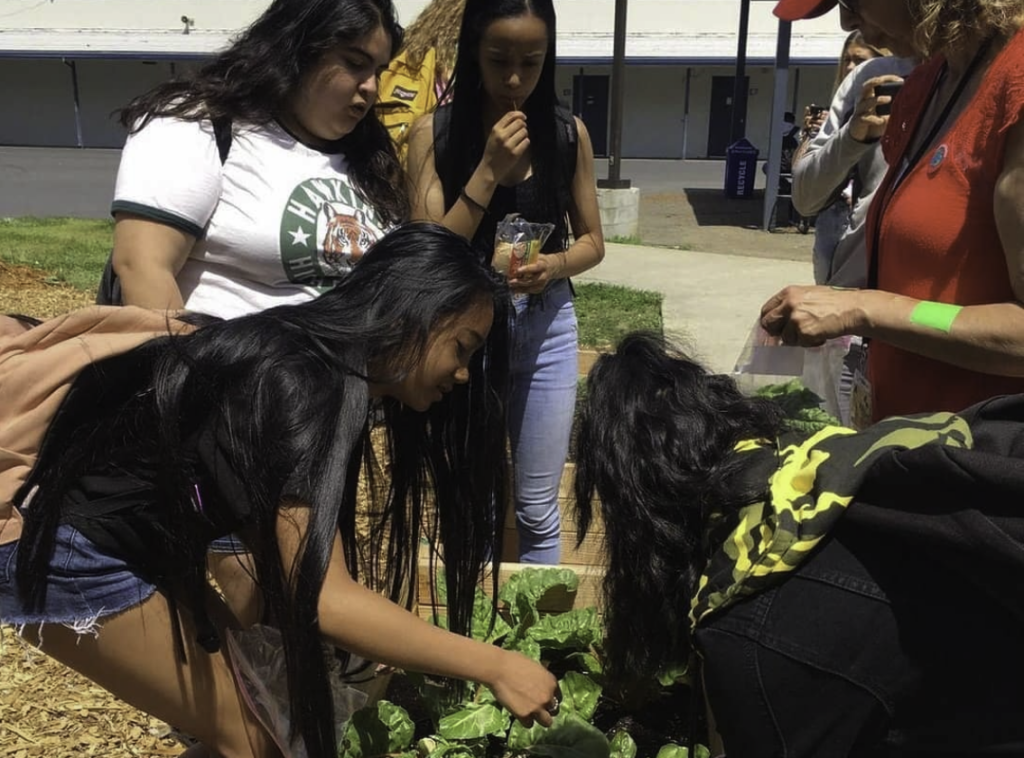
Sylvia Herrera first became involved with Sustainable Solano three years ago, when the organization saw a banner she had placed in front of Armijo High School announcing to the public that there would be a community garden on campus. She didn’t realize how many people drove by and saw that sign. Several organizations and individuals reached out to her, saying they were interested in helping her make this happen. The power of a banner!

Sylvia Herrera

Since the very beginning, Sylvia has dedicated herself to the garden and has rallied her students and the whole school to participate in the garden and be closer to nature. As a Solano Gardens garden champion, she is constantly maintaining the garden (named Jardin de la Esperanza) to make sure her students and other Armijo staff have a beautiful place to enjoy. She is also constantly brainstorming ways to use the garden as a place of belonging and has hosted classes outside, Dia de Los Muertos and Martin Luther King Day events during lunch hour, and nutrition classes with her students — showing her commitment to her school community and nature.

Learn more about Sylvia and the work she does with us below!

What do you enjoy the most about the work you do with us?

While I enjoy technology, there is something to be said about being outdoors, hands-on learning, and the community working towards a goal together. There is something very empowering in that. Being in the open air is nice, it’s a nice change from being in a classroom; in fact that is why we have lots of seating in the garden, it can be used as an outdoor classroom.

What’s one experience or event that stands out for you?

An experience that stands out is when we actually installed the garden at Armijo. After all the talking, planning, getting things approved and what-not, the day finally came to start shoveling and making the garden a reality. The entire Armijo community turned out, over 500 students helped in one form or another. All my classes were out there shoveling, moving mulch, planting trees, you name it. Other classes helped out, as well as the football team, soccer team, the cheerleaders. I filmed everything, as did our multimedia department. It really brought the school together. Students I didn’t even know would come up to me and say, “Hey, Ms. Herrera, can I help?” The garden brought out the best in EVERYONE. … Group effort in every sense of the word.

What do you wish more people knew about Sustainable Solano or the program you volunteer with?

I’d like people to know that gardening/growing your own food is beneficial in so many ways. You are helping the environment, you are helping yourself by growing organic food that you can share with your family, and you are making the choice to eat healthier! Also, this program brings awareness to gardening, which connects to nutrition, and helping children make better choices with their food. One thing we do with our harvests is donate them to Armijo families in need, so it’s nice that the students see the garden going full circle. We are planting, nurturing, growing, harvesting and sharing our harvest with families who need it. This is very empowering and the students can literally see that the work in the garden is helping someone. The garden is a safe and positive space, and we need more of them at our schools and in our homes.

How do you envision a sustainable Solano County in the future?

I just see it growing and growing. Maybe bring back gardening/nutrition electives back to the schools. Having students learn how to prepare foods, that is always fun! Having students think about careers in the field of agriculture, the environment, sustainable gardens, nutrition, botany, etc.

Tell us something interesting that people may not know about you.

I like to knit scarves, especially during wintertime … they turn out pretty nice! I also like singing. I do a little karaoke here and there.

A special thank you to Sierra Reinertson for giving her time and talent to write these volunteer and champion profiles!

New Food Forest Garden Will Help Feed Vacaville Community

By Gabriela Estrada, Solano Gardens Program Manager

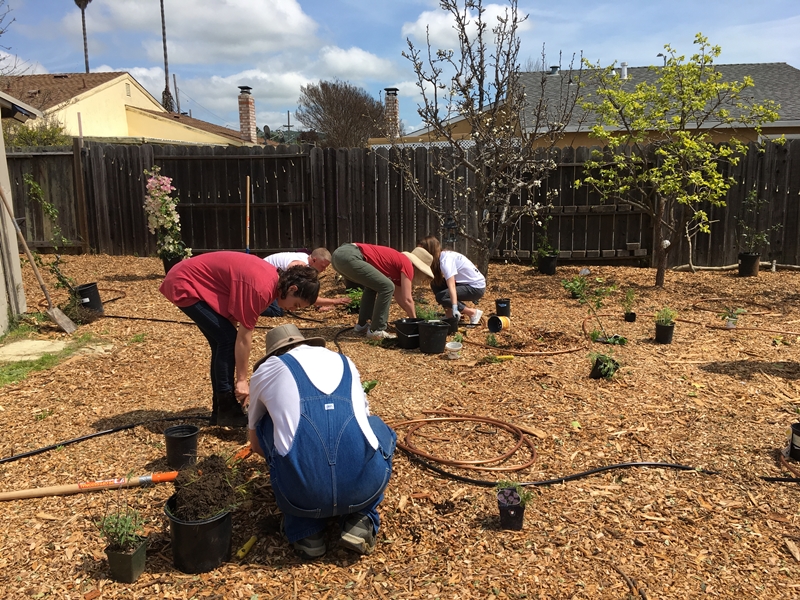
Participants install the Solano Gardens food forest garden for Vallejo Together in 2019


The latest Solano Gardens food forest installation will continue to grow Sustainable Solano’s projects in the city of Vacaville. We are excited to be teaming up with The Truth Outreach nonprofit organization in our efforts to keep working with community members and organizations interested in creating edible gardens based on principles of permaculture, to serve as a source of fresh produce and a source of inspiration in Solano County.

With support from the Solano Community Foundation, we will install our latest food forest garden through the Solano Gardens program. The Truthville Garden joins nine other food forest gardens installed through Solano Gardens since the program began in 2018. Solano Gardens aims to bring access to fresh produce, build community and teach sustainable landscape techniques to communities who might have limited access to fresh produce.

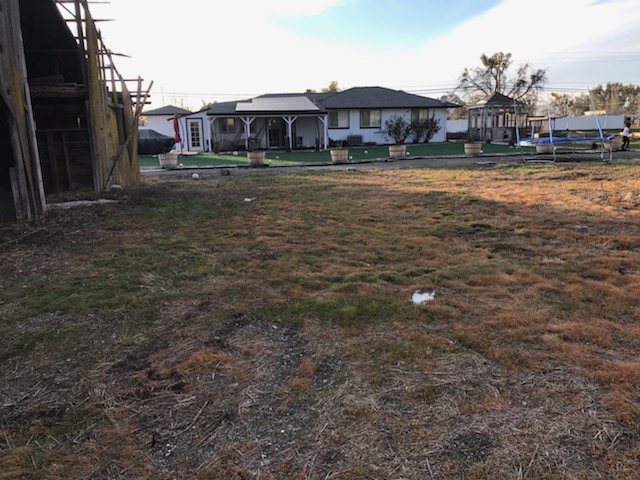
The future site of The Truthville Garden in Vacaville

About The Truth Outreach

The Truth Outreach is a nonprofit organization dedicated to providing people with tools that enable social, economic, health and spiritual wholeness through media and community outreach. They offer support services in the community; including working with youth-mentoring organizations in juvenile halls, supporting local soccer coaches and kids and supporting Bay Area churches with events open to the public.

With support from the garden champions, Ebere and Deji Sonoiki, this garden will feed employees and contractors of their radio station, the families of the soccer coaches and kids, the local church congregants, proposed mental health training tutors and program participants, and neighboring families.

Installation details

The first installation day will take place Saturday, March 20, from 10 am-4 pm. Activities will include sheet mulching to build healthier soil, planting trees and an understory of beneficial plants, and creating two hügelkultur beds. Get tickets here.

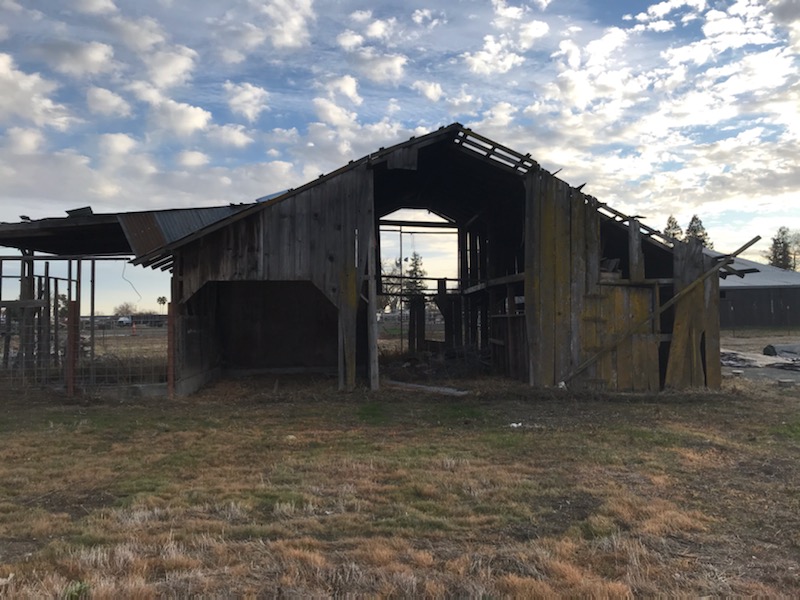
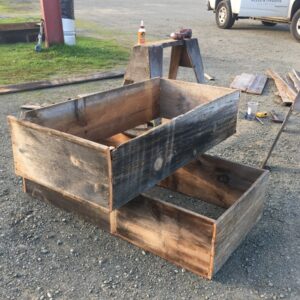
The second day of installation will be April 17 from 10 am-4 pm. During this day, we will build gopher-safe raised beds from reclaimed barn wood and build a trellis from repurposed wire that will be used to increase vertical food production!
Get tickets here.

These workdays will follow the latest county and state guidelines for COVID safety as well as Sustainable Solano’s guidelines, outlined on the registration pages. Individuals or family bubbles can sign up for one-hour shifts at the site.

To learn more about Solano Gardens, click here.

Raised Bed Project Provides Food Access

By Gabriela Estrada, Solano Gardens Program Manager

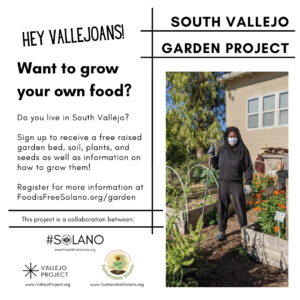
People often say that it takes a village to perform really great things. As a program manager with Sustainable Solano, I can tell you that is true. After all, nothing is done in silos and often some of the best programing I’ve accomplished has been with the support of my team and partner organizations. The collaborative South Vallejo Raised Beds Project has been just that: a collaboration between Food is Free Solano, The Vallejo Project and Sustainable Solano. This partnership’s goal is increasing food access for those living in food deserts and who are interested in growing their own annual fruits and veggies.

Due to the collaboration between these three organizations and other community partners, we will be able to fill 12 raised beds ranging from 1 foot by 4 feet to 4 feet by 8 feet. To date, we’ve received 36 requests! We will need to go back to the drawing board to see how we can match all of our community needs with the very limited funding opportunities out there and ensure that we achieve the mission of increasing food access in South Vallejo. All in all, there have been some very exciting opportunities that have arisen from this collaboration, and I hope to see where this collaboration project will take us!

Learn more about the partners below.

The Team

Food is Free Solano

Food is Free Solano’s mission is to connect local neighborhoods in Solano County with easy-to-access free food from many food stands managed by community members. There are a number of Food is Free stands throughout the county, and the organization is currently located at the Vallejo Fairgrounds, providing food boxes through a USDA Farmers to Families Program. Due to their amazing work, they have a wide network of folks all over the county. While they do not specialize in gardening, a project like building raised beds to increase food access made a lot of sense. After all, in their food stands they often have community members donating starter plants. It was with this in mind that Food is Free Solano Executive Director Heather Pierini reached out to Sustainable Solano and The Vallejo Project for support.

The Vallejo Project   

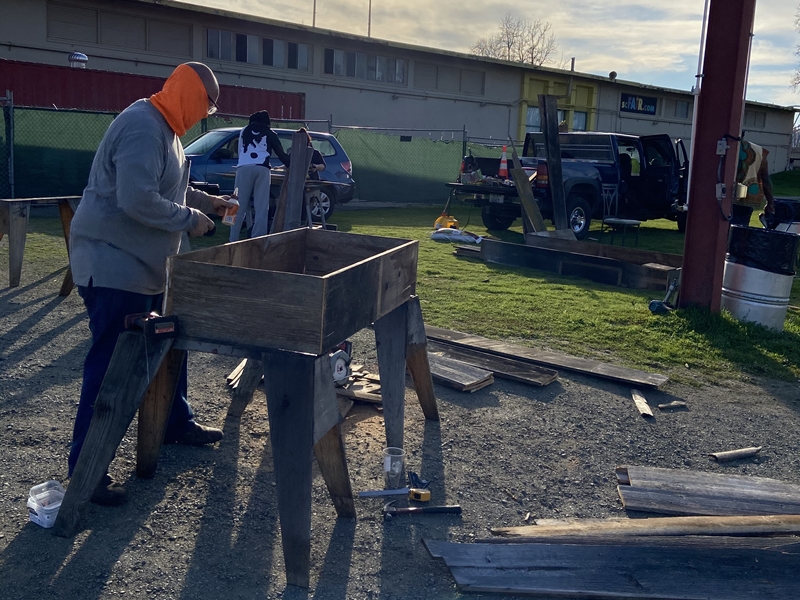
The Vallejo Project’s mission is to empower youth to realize their fullest potential by connecting them to enrichment and development opportunities in the trades, art, wellness and culture. Because of their objectives, they have a wide network of professional carpenters who stepped forward to help when the Vallejo Project’s Executive Director Adjoa McDonald asked for support in building the raised beds for individuals who needed it. While they could have stopped at building the raised beds, they took another step and provided transportation so that we could deliver the raised beds to their new owners in South Vallejo.

Sustainable Solano

Sustainable Solano’s mission is Nurturing Initiatives for the Good of the Whole, so when Heather called to ask if we could team up, we saw a natural fit. While we had never done anything solely with raised beds before, Sustainable Solano does have a number of online videos and virtual gardening resources on our YouTube channel, as well as our website’s plant resources, soil resources and water resources. Given the emphasis of the Solano Gardens program, we have a Garden Care Plan that was adapted for growing produce in raised beds. And with funding from the Solano Community Foundation, which awarded us funds for the Solano Gardens program, we were able to purchase soil and seeds for the raised beds.

Other Collaborators

There were other people and organizations that made this project possible, including our newest addition to the Solano Gardens program in Vacaville. The homeowners donated wood panels from their barn that were repurposed into raised beds. We will be building a garden at their home on March 20 and April 17. If you would like to support the installation, click here.

We also count on nurseries like Mid City Nursery in American Canyon, who gave us a nonprofit discount and are always ready to answer any gardening-related questions.

Please be on the lookout for where this project might go and ways that you can support should you choose to!

Join CompostGal’s Lori Caldwell for Gardening 101

By Lori Caldwell, CompostGal

Lori Caldwell of CompostGal has given talks for Sustainable Solano on container gardening, perennial edibles and much more! Her next talk will be a Gardening 101 class on March 19.

Dear Fellow Gardeners or Gardeners-yet-to-Bloom,

If you’ve never gardened before or just need a refresher prior to next season, then please join us on March 19 for Gardening 101. I’ll be discussing the process from soil to fruit, touching on the terminology and all the tips and tricks I’ve used over the years. While it’s still “winter,” it’s time to start planning for your spring and summer gardens!

The idea of being a successful gardener to some may seem like a daunting enterprise. Maybe you think it’s too expensive or that you possess a “brown thumb?” Seeds or starts? In-ground or containers? Hand-watering? Drip irrigation?
Gardening is not perfect, but it is fun and rewarding. You will kill plants! There will be bugs, good and bad ones (more good than bad, promise). However, when the year is good, it’s really good! It is worth the journey for sure! Come along with me!

See you in the garden,
Lori Caldwell aka CompostGal

About me:

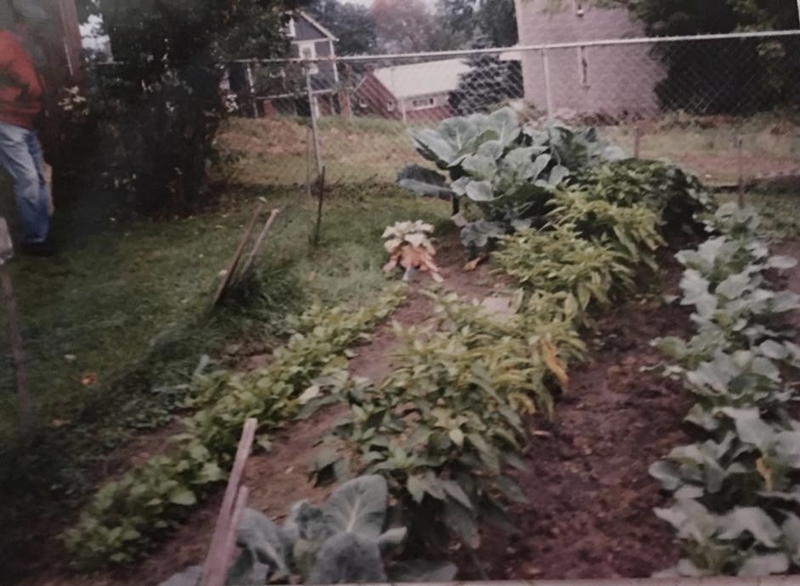
Gardening has always been part of my life. From houseplants to fruit trees, my family always had something growing. Seeing them tend to their plants gave me the idea that those plants had value. I remember the smell and feel of freshly turned earth, the scent of chemical fertilizers (yikes) and being small and looking up at towering tomato plants.

Grandpa’s garden (Pittsburgh, PA) circa 1970s

I’ve been happily teaching sustainable gardening classes since 2007. Some of my other fun jobs are gardening maintanance and garden consultations. If you need help, please feel free to contact me!

Find videos and handouts from Lori’s past talks and more plant resources here.
Want to connect with Lori? Find her information on our Sustainable Landscaping Professionals List!

The Solano Sustainable Backyards program and the talk are generously funded by the Solano County Water Agency.

Perennial Edible Gardening

By Lori Caldwell, CompostGal

Lori Caldwell once again answers your gardening questions — this time from her talk on Perennial Edible Gardening. You can watch Lori’s talk in the video here and read her responses to your additional questions below.

Watch Lori’s previous talk and answers to more questions on Big Gardens in Small Spaces: Container Gardening here.
Want to connect with Lori? Find her information on our Sustainable Landscaping Professionals List!

Thanks so much for all the great questions and discussions!

How many years do artichoke plants produce edible fruit?

You can expect about 3-6 years of fruit.  There are some maintenance tips I’d like to pass on:

  • Don’t overwater or over mulch the artichokes. They are pretty drought tolerant.
  • Cut the ripe artichokes often to encourage more to grow.
  • Feel free to let a couple of artichokes go to flower. They are beautiful and the bees love them!
  • Do a hard cut back of the plant at the end of the growing season or before winter comes. Leave about a foot of stem

Can artichokes survive the snow for a short time?

They can but only if you prep them for the cold season.  Cut the stems the stack on top of the main stem.  Put a coarse mulch around the base and top of the cut plant.  This should help insulate the plant from lower temps.

What frequency do you deep water, for how many minutes?

It depends on a couple of things:  the type of plant (tree/shrub, annual) and your soil type (sandy/clay)

Here’s a great PDF watering schedule link:

https://www.urbanfarmerstore.com/wp-content/uploads/2013/08/SFBay_Irrigation_Schedule1.pdf

It’s specific to the San Francisco Bay Area, so adjustments would need to be made for other areas/climates.

What’s a good, tall, perennial edible that will grow well in the morning to just afternoon shade and pretty harsh afternoon sun?

  • Tree collards work great in all types of climate and sun/shade conditions.
  • Blackberries, especially if you can get the thornless variety, could work well, too.
  • Pineapple guavas are drought tolerant and can be trained for espalier. They can handle the heat and are quite drought tolerant.

Would starting an apple tree in a container be advisable?  If so, when is the best time to transplant into the ground?

You could start an apple tree in a container for sure! I’d recommend getting the largest container (10 gallons or larger) and if you can, a tree on dwarf root stock. A dwarf could last maybe 1-2 seasons in the large container. However, a traditional root stock tree may only make it 1 season before having to transplant. The roots would be fast growing and fill the space quickly.

Fall and Winter (depending on snow of course) is a great time to transplant:

  • Easier access to water from winter rains
  • Cooler temps will help the tree adjust much easier and prepare it for hotter days
  • The soil may be more forgiving to work with

What dwarf citrus trees do you recommend for a small garden?

Any and all of them! My first question is what do you like to eat? What will you use this citrus for? Depending on where you live you should check to see what varieties grow well in your Hardiness Zone or your Sunset Zone. Most citrus trees varieties have certain heat and cold tolerance:

  • Lemons and limes can handle cooler temps
  • Valencia oranges require a lot of heat, but cannot handle cold temps

If you have issues with space, consider getting an espalier citrus. It will orient itself along a wall or fence (you just have to keep pruning to maintain the “flat” shape).

I’m very happy with my Meyer lemon and Rangpur lime. I’ve had them in 10 gallon pots for the past couple of years and they are about to get a container upgrade.

Fig Questions:

How often should a fig be watered?

The goal is going to be deep watering on an infrequent schedule.  The roots will go deeper with this type of watering.

Here’s a great PDF watering schedule link:

https://www.urbanfarmerstore.com/wp-content/uploads/2013/08/SFBay_Irrigation_Schedule1.pdf

It’s specific to the San Francisco Bay Area, so adjustments would need to be made for other areas/climates.

Can you grow figs in Zone 8?

Yes you can!  Looks like Zone 8 is at the end of the range that favor keeping figs outdoors year round!

What makes fig drop their fruit before they are ripe?

It can be a couple of factors:

  • Not enough water : be sure to water regularly, especially during the fruiting period
  • Lack of phosphorus in the soil at the time of fruiting. Application just as the fruits start to appear should help.

Passionfruit? How do you prune?  How do you propagate?

Such a beautiful plant and flower! You prune them every year after harvesting the fruit.  Cut them back to about 1/3.  Prune dead branches especially. I’ve never propagated passionfruit before. If I had to guess:  root green stems in water? Dry out a fruit and plant by seed? There is also the option of rooting woody stems with rooting hormone.

Do you advocate planting onions and garlic around the plants that attract aphids?

I do! Onions are great companions for plants like broccoli, cabbage, tomatoes and lettuce. Not only do onions repel aphids, but also cabbage worms!

Can you deter aphids if it’s above/below a certain air temperature?

Sorry, aphids are pretty hardy pests in the range here in the Bay Area.  I’ve seen them in Vegas in the summer too.  I wish there was a way to deter them! Remember, you do actually need some level of pests in your garden in order to attract beneficial insects.

I have bark mulch around my trees. Do I need to scrape it back before amending the soil around the tree?

Yes, pulling it back would make amending it much easier. Actually, most plants should have a bit of space between the main stem/stalk and mulch. Too close could be too much water at the root base.

Any recommendations on which phosphorus to use?

I use Bone Meal for my garden mostly. Lately, I’ve been doing some research for my clients who are vegan/vegetarian and don’t want animal products in their gardens. I’ve discovered rock phosphate as an alternative.

  • Contains a slower release phosphorus so it’ll last longer in your soil. 1 application per season should be sufficient for your flowering and fruiting edibles/plants.
  • It also contains calcium as a bonus trace element.

Can an orange tree be grown in an 11-square-foot pot?

The smallest container that I’ve seen an orange in is 5 gallons. But that will only last a year at the most. A larger container (10 gallons+) will certainly keep a tree for longer to indefinitely. Regardless of the size, an orange tree will still need lots of nitrogen, well-drained soil and consistent watering.

Enjoy the talk? Take this survey to help us determine future sustainable landscaping classes.

The Solano Sustainable Backyards program and the talk are generously funded by the Solano County Water Agency.