Monarch Rose

Monarch Rose

Food Forest Keepers: Michael and Alison

Alison and I are by no means professional gardeners but we have such a love for nature and its pure beauty! We have always had a long interest in having a garden and growing our own food. The experience of taking nothing and turning it into a beautiful, lush food supply would feel like such an accomplishment.

Alison and I first learned of the Sustainable Backyard program from her mother, Donna, who heard about it at the Vacaville Farmers Market. After reading the flyers and talking with Nicole, we decided to submit an application to host a site.

Since we have been trying to live a healthier life, we wanted to incorporate having home-grown food in our new lifestyle. We want to have the beauty of a garden and to be able to share with our neighbors, family and new friends.


Site Details

Installation Date:

January 2019

Size:

1,600 square feet

Sun Exposure:

8 hours

Soil:

Clay

Number of Swales:

1

Secondary Water:

Lawn Conversion
Rainwater
Roof water diverted to swales

Total annual water impact:

127,152 gallons

Design:
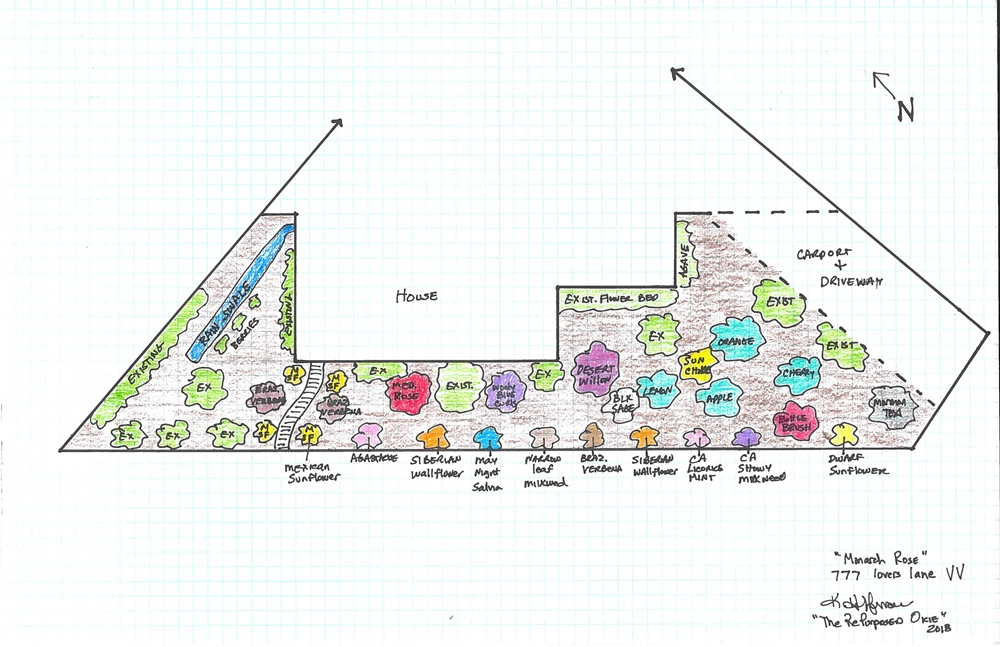
 

Designer: Kathleen Huffman

Plant List:

Craigs Crimson Cherry, Pink Lady Apple, Meyer Lemon, Sweet Katie Burgandy Desert Willow, Washington Navel Orange

Black Sage, Black Satin Black Berry, Ceanothus (Yankee Point Carmel), Blueberry (Mist, Southern Highbush), Bottle Brush (Little John), Buddleia, De La Mina Verbena, Raspberry (Heritage, Wilamette), Red Yucca, Rosemary (Golden Rain), Wooly Blue Curls

Agastache, Comfrey, Coreopsis (Lady Charlize), Garlic Chives, Lemon Thyme, Italian Oregano, Italian Parsley, Lemon Verbena, Marjoram, Monardella (San Antonia Hills), Narrowleaf Milkweed, Penstemon (Manganita, Taffy Grape, Pike Peak Purple, Blue Spring), Purple Coneflower, Sage, Scabiosa, Spearmint, Winter Savory, Yarrow

Strawberries (Yellow Wonder, Alpine, White Soul)

Sunchoke, Yacon

Flame Seedless Grape

Installation:

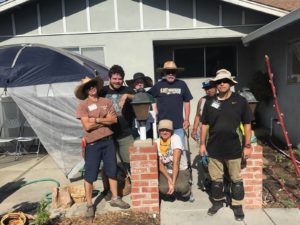
The installation was a great experience. To be honest, we didn’t know what to expect from the program. We were apprehensive at first and worried about ruining our yard. But Nicole and Kathleen both are amazing people who took the time to explain step by step what would be done and how things would go, putting our nerves at complete rest. It was a fun and exciting experience to bring people from our community we didn’t know to help convert our yard into something so amazing.
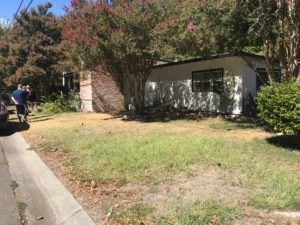
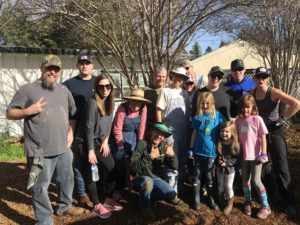
Kathleen and Nicole put on a class before the installation to talk about permaculture and the steps involved in our project. I will admit I was a little overwhelmed by the thought of replacing all our grass with mulch that covered the entire yard. It was hard to envision what it would look like, but once it was complete it was amazing.

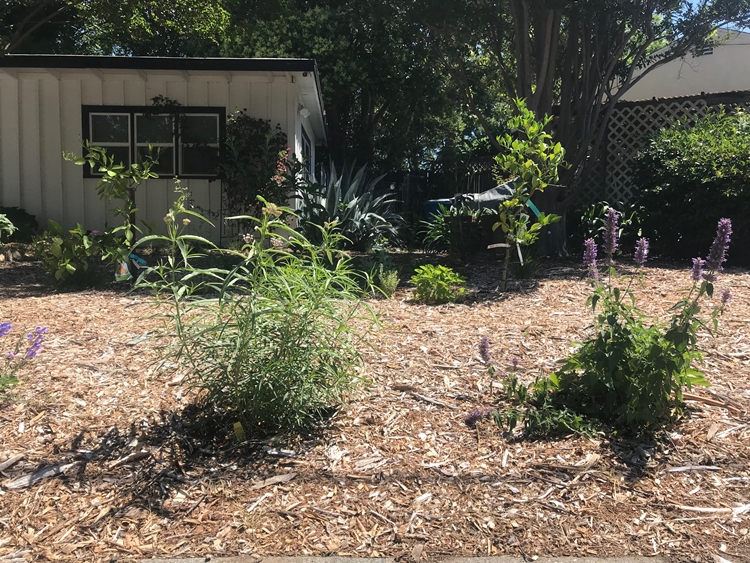
The first days were spent digging the swale and running the new drip lines. We laid down large sheets of cardboard over the grass and covered it in mulch. The second day was spent finishing the mulch and planting the many different beautiful plants. Now we have a beautiful yard with strawberries, blueberries, raspberries, cherry, orange, apple and lemon trees, many, many herbs and beautiful flower plants.

To top it off Alison made amazing pulled pork and coleslaw. We had ice cold drinks and lots of other amazing treats for all to enjoy, to show our gratitude to all those who came to learn and help us.

Vision for the Future:

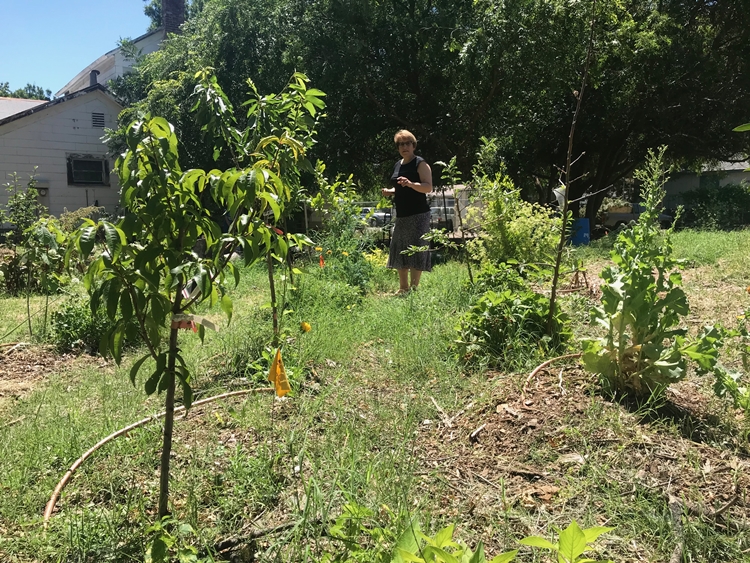
We hope to continue to learn about gardening and adding to our food forest. We want to see it grow and thrive to supply food not only for us but our neighbors. We can’t wait to host the sustainable tours of our food forest to share our experience and knowledge with others. We have always been proud of our home, but now we have a different kind of pride.
Shalom

Shalom

Food Forest Keepers: St. Paul’s United Methodist Church

St. Paul’s United Methodist church was founded in 1957 in the original downtown of Vacaville. Our worship, spiritual growth, and service in our community emphasizes wholeness of the individual and healthy relationships between God, people and all living beings on the Earth. Our interest in sustainable landscaping and sponsoring the Urban Food Forest grew from eco-theological perspectives and values. Healing and redemption are not limited to Divine-human and human-human interactions, but also extend to our relationship to the natural world.

Site Details

Installation Date:

November 2018

Size:

1,500 square feet

Sun Exposure:

6-8 hours

Soil:

Clay

Number of Swales:

3

Secondary Water:

Lawn Conversion

Rainwater

Laundry-to-Landscape Greywater System

Total annual water impact:

105,230 gallons

Design:


Designer: Kathleen Huffman

Plant List:

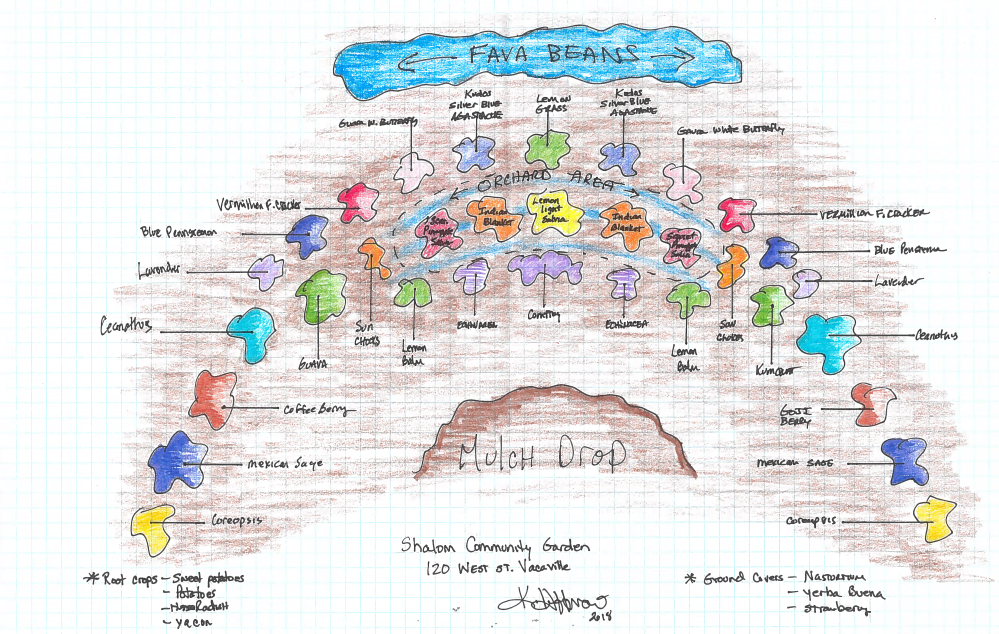
Bearss Lime, Cara Cara Orange, Cranberry Pomegranate, Golden Delicious, Gravenstein Apple, July Elberta Peach, Keifer Pear, Mandarin Satsuma, Meiwa Kumquat, Meyer Lemon, Pineapple Guava, Santa Rosa Plum, Stella Cherry, Susequehanna Paw Paw, Washington, Zee Glow Nectarine,
Blackberry, Ceanothus, Coffee Berry, Goji Berry, Lavender, Lemon Verbena, Loganberry, Mexican Sage, Raspberry
Agastache, Blue Spring Penstemon, Comfrey, Echinacea, Fava Beans, Firecracker, Indian Blanket, Leaf Celery, Lemon Balm, Lemongrass, Lemon Light Autumn Sage, Pineapple Sage, Red Clover, Tickseed, White Gaura
Alpine Strawberries, Calendula, Lemon Thyme, Oregano, Silver Thyme, Yerba Buena
Horseradish
Mystery Blue Salvia that vines, Nasturtium

Installation:

On the day of the installation, we were surprised and delighted to meet the volunteers who came from Vacaville and other places in Solano County. And some volunteers came from beyond Solano County. The leadership and expertise of the Sustainable Solano staff, consultants, board of directors and CEO helped build our knowledge and confidence that this project would be successful and beneficial to our wider community. It was a heart-warming experience, to work side by side with like-minded strangers who rapidly become cheerleading companions and friends on this life-giving project.

Vision for the Future:

We see this as Phase I of transforming our 2-acre church campus into an ecological education site to include future community garden plots, with zones for beehives and domestic fowl as permitted by the city of Vacaville. We hope this project’s impact will extend beyond our neighborhood and even our city, as each person involved shares the knowledge gained. Our proximity to the high school provides opportunities to partner with teachers and students with hands-on curriculum to support the educational needs and extracurricular need of our public school students.

We will continue to cultivate seasonal garden produce among the fruit trees, herbs and shrubs that were planted. The food is shared with various church and community groups and with our neighbors. We look forward to continuing tours for students and teachers from the Vacaville High School culinary arts program and science classes. They have come to learn about intensive backyard food production that also conserves water and builds the soil. We are planning to expand our garden space to provide small plots for community members and scouting groups to learn how to garden and raise produce for their personal use. Future events include seminars on pruning trees, keeping ahead of weeds, and cooking with seasonally available produce and culinary herbs.

Healthy Futures

Healthy Futures

Food Forest Keepers: Mike and Eric

The Woodcock family has lived in the Vacaville area for four generations.  My grandfather, Everette Woodcock, the family patriarch, lived along the old highway that is now Highway 80 in the early 1900’s.  More recently my dad, Raymond, my self, and now my son, Eric, lives in our family home on Arrowhead Drive. I grew up in the 1950’s always having a backyard vegetable garden that we planted every spring.  My father, Raymond, would start getting the soil ready as early as he could turn the ground.  When my dad bought our house on Arrowhead we didn’t have much of a garden, grass in the front and grass and a plum tree in the back.  I moved off to college and spent a couple of years farming with a friend in the Pleasant’s Valley area.  Later, after my son was born, we moved back into the house.  I built a green house, and filled the back yard with raised beds growing an amazing variety of herbs, flowers and edibles.  My wife and I started our own little cottage business called “Herban Farmer.”  She made wreaths and dried flower arrangements and we sold her creations and a variety of dried herbs at craft fairs around the area. We grew out of the family home and bought a home in Vacaville with little room for gardening.  Dad replanted grass.  I continued to hold on to the idea that there was a better way to live in suburbia.  Then I discovered Sustainable Solano.  I first learned about the “Food Forest” movement when I read about it in the Vacaville Magazine. My son and I applied to be one of the demonstration gardens that were proposed for Vacaville and were thrilled when we found out our home was selected.  The program so perfectly aligns with our own core beliefs of building healthy families and healthy sustainable communities. We look forward to doing our small part to educate the community and share the process of building our own food forest called “Healthy Futures.”

Site Details

Installation Date:

October 2018

Size:

1,042 square feet

Sun Exposure:

8+ hours

Soil:

Clay

Number of Swales:

2

Secondary Water:

Rainwater

Laundry-to-Landscape Greywater System

Roofwater Diverted to Swales


Total annual water impact:

69,845 gallons

Design:


Designer: Kathleen Huffman

Plant List:

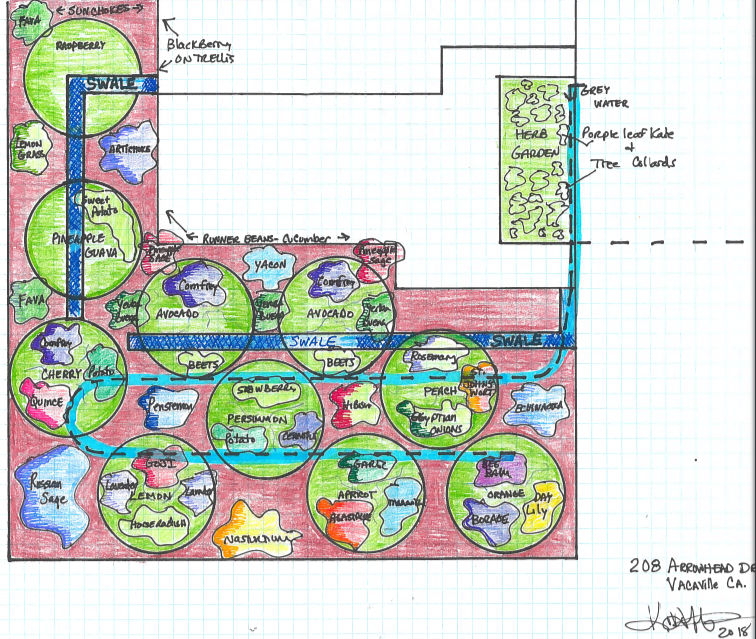
Apricot Blenheim, Avocado Mexicola, Avocado Zutano, Cherry Lapins, Lemon Meyer, Loquat, Orange Washington Navel, Peach Carnival, Persimmon Fuyu, Pineapple Guava
Blueberry, CA New Leaze Coral, Ceanothus, Goji, Golden Sage, Pineapple Sage, Raspberry, Rosemary
Agastache, Artichoke, Blaze Salvia, Blue Springs Penstemon, Borage, Catmint, Calendula, Comfrey, Chives, Dianthus, Dwarf Greek Oregano, Echinacea, English Thyme, Fava Beans, Jacob Cline Bee Balm, Kohlrahbi, Lavender, Lemon Balm, Lemon Thyme, Lemongrass, Lemon Savory, Lemon Verbena, Marjoram, Mexican Tarragon, Parsley, Salad Burnet, Sage, Savory, Silver Thyme
Nasturtium, Strawberry, Sunrose Bennevis, Yerba Buena
Garlic, Onions, Tumeric
Scarlet Runner Beans

Installation:

The installation process itself was amazing.  The first weekend we dug swales, sheet mulched and planted eight fruit trees.  A crew of volunteers was there to help with the shoveling, planting, and moving of the mulch.  The second weekend was the installation of the gray water line from the garage to the garden.  Another group of volunteers showed up to learn about the installation process and lend a hand.  The third and final weekend was when the garden took shape.  More volunteers joined the project and the irrigation was completed and plants were set in place.  A integral part of every Saturday was an educational workshop, which taught others the value of permaculture and it’s place in a water wise garden.

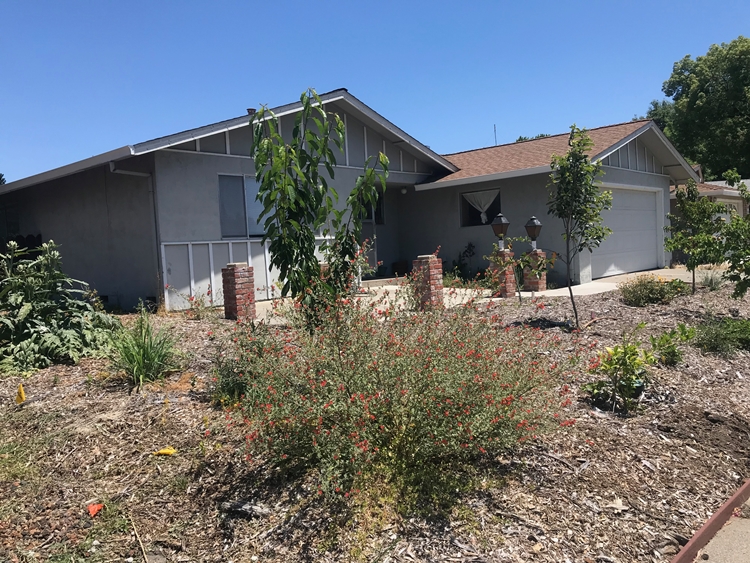
My family is grateful to Sustainable Solano and all of the community members who came to volunteer on the project. I am anxious to see what it will look like as the trees and plants get established. After seeing this process from start to finish I am a new convert for urban permaculture and an advocate for sustainable food forests.  These food forests can take the place of front or backyard lawns, reducing our water consumption and adding a readily available supply of fresh food to our tables.

Vision for the Future:

I cannot wait to be able to bring baskets of fruits and vegetables to share with the teachers and students at the music education non-profit where I work, knowing that they came from my own yard. By cultivating and sharing the rewards our little plot of suburban land to create a useful and beautiful forest, I believe that we can inspire and teach others to do the same.