Nourishing Solano County: A Collaborative Vision for Medically Tailored Meals
By Noah Galgan, Program Manager
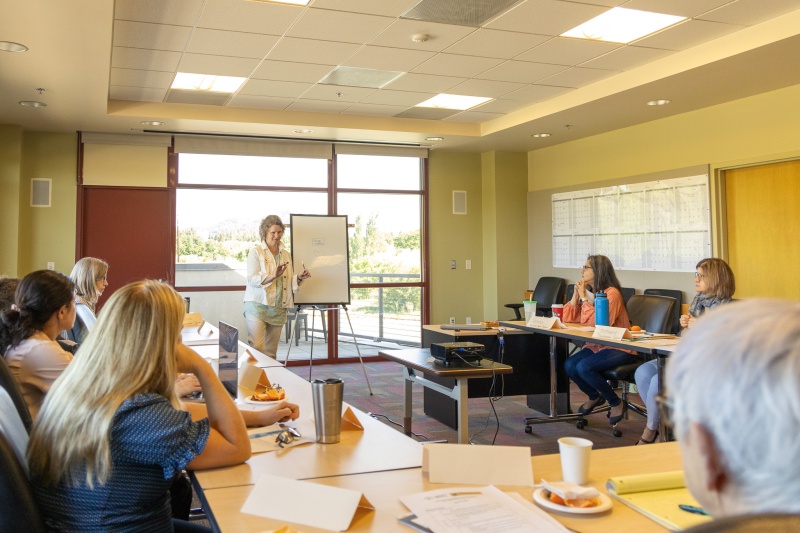
Stakeholders meet to discuss how medically tailored meals could work in Solano County
In an era where the healthcare landscape is constantly evolving, the concept of “food as medicine” is gaining traction. The notion that the right diet can be pivotal in preventing and managing chronic illnesses is a scientifically proven fact. A group of Solano County stakeholders is bringing this knowledge to bear on an exciting journey to nourish health through medically tailored meals (MTM).
At its core, an MTM initiative in Solano County revolves around the idea that providing individuals with carefully crafted, nutritionally sound meals can have a profound impact on their well-being and support recovery from serious illnesses. These meals are not just about sustenance; they are about empowerment, about offering individuals the tools they need to take control of their health.
MTM initiatives are gaining traction all over the United States. We have seen many great examples of what MTM could look like through the dedicated work of groups such as the Food is Medicine Coalition. The coalition is an association of nonprofit medically tailored food and nutrition service providers that supports research-based interventions, advances public policy, promotes efficacy research for nutrition services, and shares best practices in providing medically tailored meals. This provided a foundation to build upon, and this is where we started the conversation in Solano County. The Solano Local Food System Alliance hosted an insightful educational panel on medically tailored meals back in February, with speakers from the Ceres Community Project and Project Open Hand. From this panel, the Solano MTM initiative gained a foundational understanding of what medically tailored meals are and opened the door for further discussion.
Solano County Ecosystem of Care
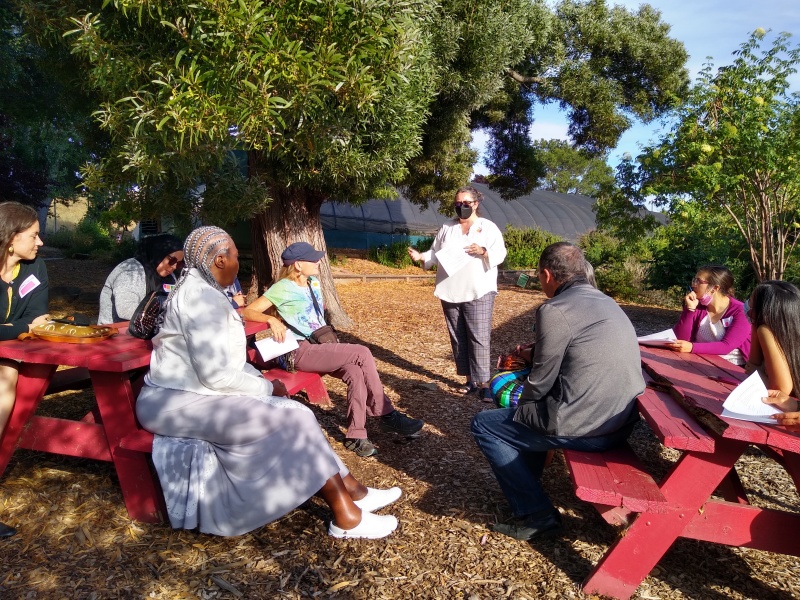
A medically tailored meals program has yet to be fully established in the county, but initiatives are already underway. A diverse group of stakeholders from various sectors have rallied together, all driven by a shared vision. In late April, the group came together to discuss the vision of an ecosystem of care. We realized it is not just about the healthcare providers or the chefs creating the meals — it’s about everyone coming together, recognizing the vital role they can play in this ecosystem, and understanding that they collectively have the power to make an impact. We also realized how complex the legal and logistical framework is for this vision, since it involves insurance, patient privacy, strict healthcare regulations, ingredient sourcing, meal production and delivery, and supporting services. Some of the community stakeholders that have joined the initiative so far are listed below.
- Healthcare Providers and Administration
- Solano County Public Health
- Touro University
- Culinary Experts, Chefs, and Meal Providers
- Meals on Wheels Solano County
- Thistle
- Local Farmers, Food Suppliers, and Transportation
- Food Bank of Contra Costa and Solano
- Food is Free Bay Area
- Collaboration, Coordination, and Policy
- Sustainable Solano
- Innovative Health Solutions
- Solano Local Food System Alliance (Includes a wide variety of stakeholders committed to fulfilling the mission of creating an environmentally sustainable, economically viable, socially just and equitable local food system in Solano County. Many of these MTM stakeholders are also Alliance members)
- The Food Agriculture and Nutrition Network of Solano County (FANNS)
Ecosystem Updates
Thistle – President Shiri Avnery said Thistle is beginning a fourth round of producing medically tailored meals in partnership with Kaiser Permanente for an MTM pilot study. The pilots are a 12-week whole-person care model that seeks to include wrap-around services such as nutrition consults and regular wellness check-ins. Thistle is interested in continuing to be a local meal provider for MTM and would like to participate in more pilot studies to help with development and collaboration for the logistics of an MTM program. One area of discussion is navigating the higher price points of Thistle meals that aim to be whole-food, plant-based meals from California growers. There is an opportunity for meal delivery outsourcing within the county as this would help reduce costs per meal for patients. Also, is there potential for a patient-selected tiered pricing model, where patients can choose a standard plan (covered by insurance) or premium plan (an added cost per meal beyond what insurance would cover). Cultural preferences for MTM is a tension point, and some recipients who are not used to a plant-based diet may find these meals unappealing.
Meals on Wheels Solano County – Executive Director Laurie Hartmann offered an exciting update on a local and state level regarding Meals on Wheels. MOWSC has been in the process of building a new production facility and is ready to break ground after acquiring all necessary funding. The new facility will be on Union Avenue in Fairfield, and scheduled for completion in spring 2024. With this new facility, they intend to include a small-scale commercial kitchen for use by community partners, such as Sustainable Solano for youth culinary instruction. On a much larger scale, Laurie shared about the upcoming work of Meals on Wheels California in the MTM space. MOWCA hosted a learning collaborative with all MOW program directors around MTM initiatives. There is a high probability MOWCA could become a one-stop-shop MTM wraparound service provider for healthcare providers and would potentially distribute administrative roles to leading regional agencies such as Solano County (NorCal Lead). This effort within the MTM space could start as early fall 2024.
Innovative Health Solutions (IHS) – Founding CEO and CFO Norma Lisenko shared an update on the work IHS has been doing and will be doing in the coming months around medically tailored meals. The team is currently wrapping up a 12-week MTM pilot with La Clinica Vallejo, which provided 50 community participants with weekly ready-made meals made by Provisions. While we look forward to the final report from this pilot toward the end of this year, Norma shared the importance of access to culturally relevant prepared foods. All the hard work that goes into a meal to be carefully prepared and transported can end up going to waste if people don’t like the food they are eating. IHS is set to receive additional funding through the Solano County Community Health Improvement Plan (CHIP) to further its MTM efforts over the coming months through a 12-week pilot program focused on maternal health.
Food is Free Bay Area – Through the work of Heather Pierini and Alma Munoz, FIFBA has participated in two separate MTM pilots for IHS. FIFBA actively participated in both pilots in a transportation provider role for MTM meals and grocery boxes. The first pilot was the 12-week program at La Clinica Vallejo for 50 participants: the team provided distribution of refrigerated meals prepared by Provisions and custom weekly grocery boxes to the La Clinica Vallejo distribution site. The second IHS pilot is a 12-week MTM program with Partnership HealthPlan of California, in which ready-made meals were picked up from Thistle and delivered to participants’ homes twice a week, alongside packed grocery boxes. Heather shared that the biggest hurdle in these pilots was creating the necessary logistical infrastructure, including a delivery/logistics app for drivers, a food safety program through the FDA recommendations, food storage/movement equipment for the bagged/boxed foods, limitations of eco-friendly packaging (compostable cardboard packaging was not sturdy enough for participants to carry home). She also shared about their efforts to find a better participant-tracking system for participant meal selection, allergies, and delivery weeks.
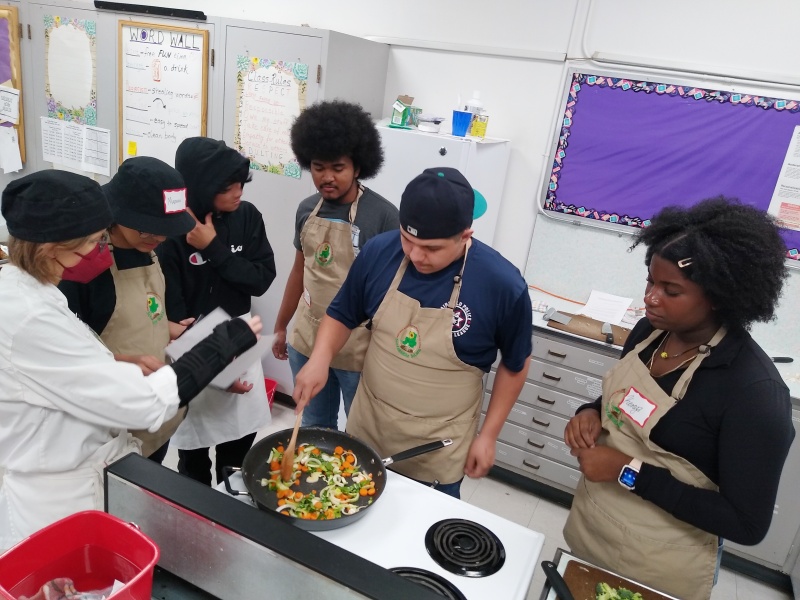
Sustainable Solano – Sustainable Solano continues supporting the foundation for medically tailored meals in Solano County through stakeholder meetings and creating an action plan. Sustainable Solano will continue the collaborative work to form an ecosystem of care amidst community stakeholders and clarify roles of each stakeholder in the emerging vision. Besides the ecosystem’s coordination role, Sustainable Solano sees its participation in the MTM vision through public education programs, especially targeting youth, which can help prevent diet-related illnesses in the future. They continue their public education efforts through monthly cooking classes focused on healthy local food and are set to receive funding under the Solano County Community Health Improvement Plan (CHIP) for three youth wellness internship cohorts. These internships aim to educate Solano County youth about health and wellness through culinary and garden exploration.
Food for Thought
The beauty of collaborative efforts lies not only in celebrating successes but also in collectively addressing the challenges encountered along the way. We have discovered some thought-provoking areas that merit thoughtful consideration:
- Exploration of the healthcare administration role (HIPPA compliance for patient records, billing, etc.) and capability to operate in the role.
- How to generate access to additional pilot programs that foster collaboration and open feedback loops through diverse funding channels.
- Exploration of providing health-forward meals that honor diverse cultural palates.
These topics will likely be central to an upcoming virtual collaborative meeting around MTM in early January, as well as other topics offered by the partners working together on this process. We invite those interested who see a role for their organizations in these efforts to reach out to Noah Galgan at noah@sustainablesolano.org to share more about your interest and what you can contribute to the conversation.
A Step in the Right Direction
This is just the beginning of fostering an ecosystem of care in Solano County. We are beyond excited to continue in this work and advocate for community-based collaborations for the good of the whole. Each community stakeholder brings a unique perspective and a passionate commitment to this initiative, and together, they are forging a path toward a healthier future for Solano County.
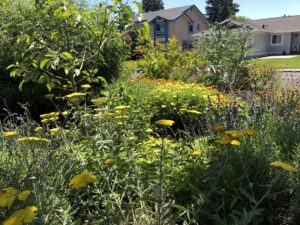 This garden was a front lawn conversion in 2019. It is filled with vegetables, fruits, herbs and more, building healthy soil and harvesting water from the roof.
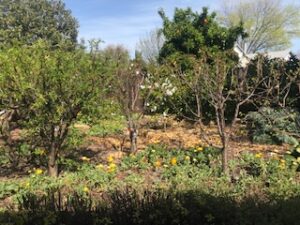 Installed in 2017, this backyard food forest has 21 fruit trees pruned annually to 5 feet, making it easier to access the fruit. The majority of the trees are watered by rain funneled into a swale, while others are watered from the laundry-to-landscape greywater system. An automatic drip system is used during the dry periods. All the fruits are shared with neighbors, friends and family. Additional plantings of salvia and calendula draw in honey bees and hummingbirds.
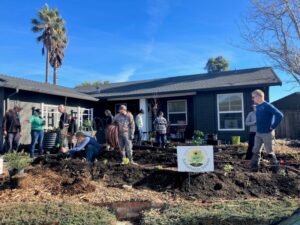 This garden was just planted in January 2023 as a collaborative project between Sustainable Solano and Solano 4-H. Youth members learned about permaculture and designing within the homeowners’ needs, then applied their new knowledge to a plan that includes fruit trees, pollinators and edible annuals. This site is especially susceptible to the western winds, which have annual summer gusts up to 40 mph. The garden is a work in progress as a learning space for 4-Hers for years to come.
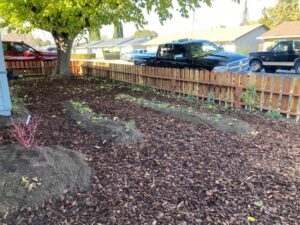 This garden is a demonstration in community and environmental resilience. Homeowners Heidi and Mitch had dealt with a wildfire taking their home in 2020. The garden was designed around a large maple tree, the only thing that survived the fire, and was named in Gaelic to harken back to Mitch’s native Scottish roots. It was installed December 2022.
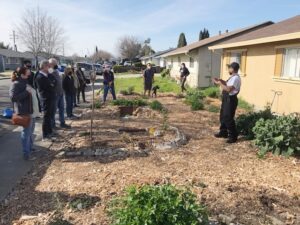 Installed in 2021 to mitigate the effects of flooding, this food forest garden is complete with chickens and a laundry-to-landscape greywater system. This yard has multiple fruit trees and pollinator plants.



 The Vallejo Food Rescue Project is a joint effort between Food is Free Solano and Sustainable Solano under a grant from the
 The excitement and interest around the app was apparent as the group discussed what support they could use. But something else was also going on during the meeting — connections were happening within the room.